
The short answer
A Park Slope chimney sweep removes creosote, soot and blockages and checks the flue for damage. The NFPA 211 standard calls for a yearly inspection, and the best time to schedule is before New York City's heat season starts on October 1.
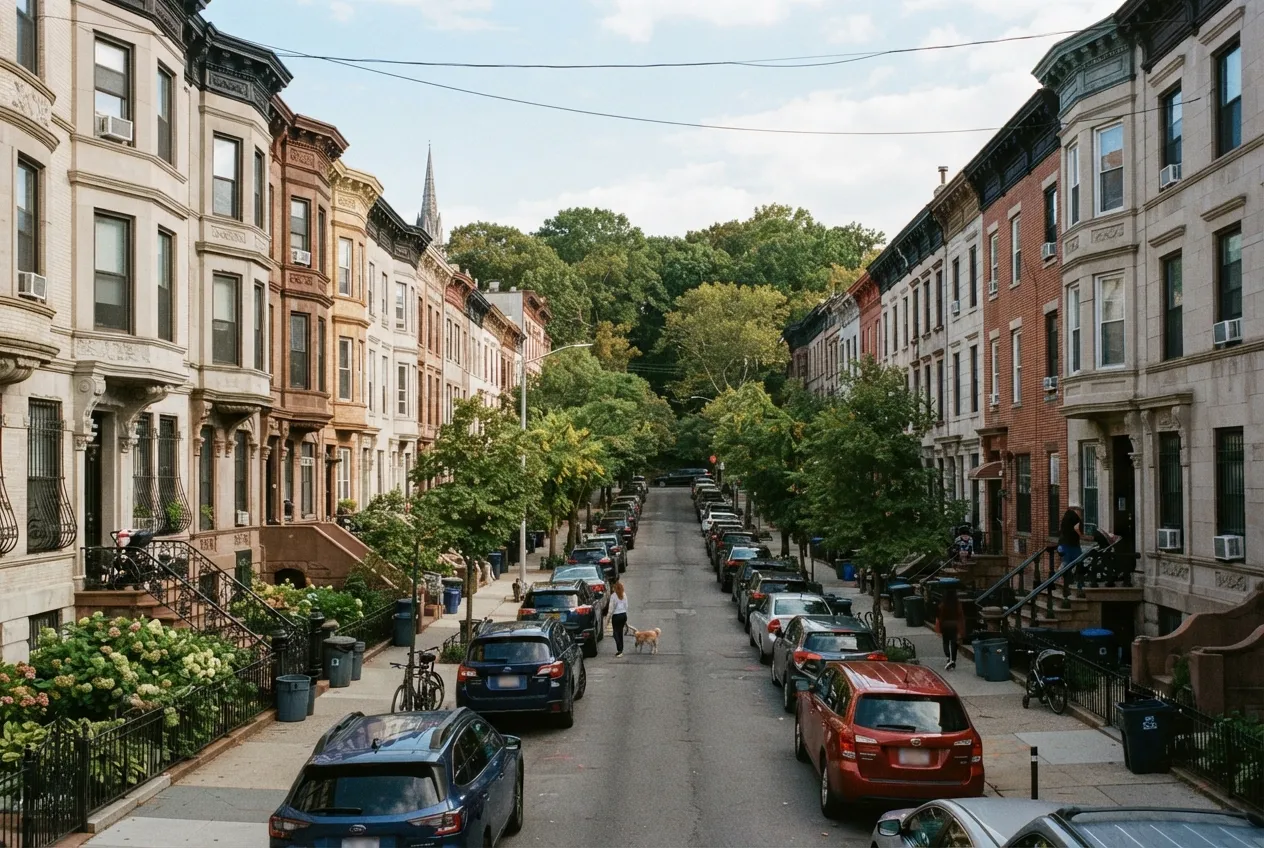
Park Slope's brownstones, rowhouses and pre-war apartment buildings often have chimneys that have served several generations of heating equipment. Some still vent wood-burning fireplaces. Others serve gas boilers that replaced oil burners years ago, and some flues haven't been used in a long time. NorthStar Chimney Services is based about a mile west of Park Slope, so our certified technicians reach homes in the 11217 ZIP code quickly. A chimney sweep from our team removes creosote, soot and debris, checks the flue for damage and blockages, and tells you plainly what we found and what, if anything, needs attention.
What a Chimney Sweep Covers in a Park Slope Home
A sweep is more than brushing out the flue. In older Brooklyn masonry homes, the chimney may run three or four stories, pass through shared party walls, and serve more than one appliance. Our technicians look at the whole path the smoke or exhaust travels, from the firebox or appliance connection to the top of the chimney.
We set up drop cloths and use sealed vacuum equipment to keep soot out of your living space. Then we clean the flue and record anything that needs a closer look.
- Removing creosote and soot from the flue, smoke chamber and firebox
- Clearing nests, leaves and fallen masonry debris
- Checking the damper, chimney cap and crown for wear
- Looking for cracked flue tiles, gaps in mortar joints and signs of water entry
- Explaining what we found in plain terms, with photos when they help
Older Masonry Chimneys and Changing Heating Systems
Many Park Slope chimneys were built for coal or wood and later connected to oil or gas equipment. Each change affects the flue. When a New York City building converts its boiler from oil to gas, the chimney has to be evaluated as part of the work. A new liner is often needed because gas exhaust produces acidic condensate that can corrode an unlined or worn masonry flue.
If your building has converted fuels, or if you're planning a conversion, we can sweep the chimney and check the condition of the flue and liner. That way you know where things stand before the heating contractor finishes the job.
Fireplaces that have sat unused for years need the same care. Before you light the first fire in a newly bought brownstone, have the flue swept and checked for blockages and damage.
How Often to Schedule a Sweep
The NFPA 211 standard calls for chimneys, fireplaces and vents to be inspected once a year. Whether you need a full sweep each year depends on how much buildup we find and how often you use the system. A fireplace used every weekend in winter collects more creosote than one lit a few times a season.
Chimney professionals use three inspection levels. Level 1 applies when nothing about the system has changed. Level 2 applies when the system changes, such as a new appliance or a switch of fuel, or when the home is sold. Level 3 applies when a hidden hazard can only be reached by opening part of the chimney or the building. Most routine sweeps in Park Slope come with a Level 1 inspection. Home sales and fuel conversions call for Level 2.
Timing Your Sweep Around the Heating Season
New York City's heat season runs from October 1 through May 31. During those months, building owners must keep apartments heated to the city's minimum temperatures. For owners of multi-unit brownstones and pre-war buildings, a blocked or damaged boiler flue in midwinter is a serious problem.
Late spring and summer are good times to book a sweep. You'll find out early whether you need repairs or a new liner, which leaves time to finish the work before October. Homeowners with wood-burning fireplaces also do well to schedule after their last fire of the season, since lingering creosote can cause odors in humid summer weather.
Serving Park Slope and Nearby Brooklyn Neighborhoods
Because our office is close by, we can work around the realities of the neighborhood, including narrow stoops, tight interior stairs and limited roof access on attached rowhouses. We also sweep chimneys in nearby Prospect Heights, Carroll Gardens, Cobble Hill, Gowanus and Red Hook, where the housing and heating history are much the same.
More services in Park Slope
- Chimney Inspection in Park SlopeLocal service & repairs
- Chimney Repair in Park SlopeLocal service & repairs
- Air Duct Cleaning in Park SlopeLocal service & repairs
- Chimney Liner Installation in Park SlopeLocal service & repairs