
The short answer
Park Slope homeowners should have their chimney inspected once a year, as the NFPA 211 standard recommends. You need a more detailed inspection if you change fuel or appliances, buy or sell a home, or suspect hidden damage. Booking before October 1 avoids problems during New York City's heat season.
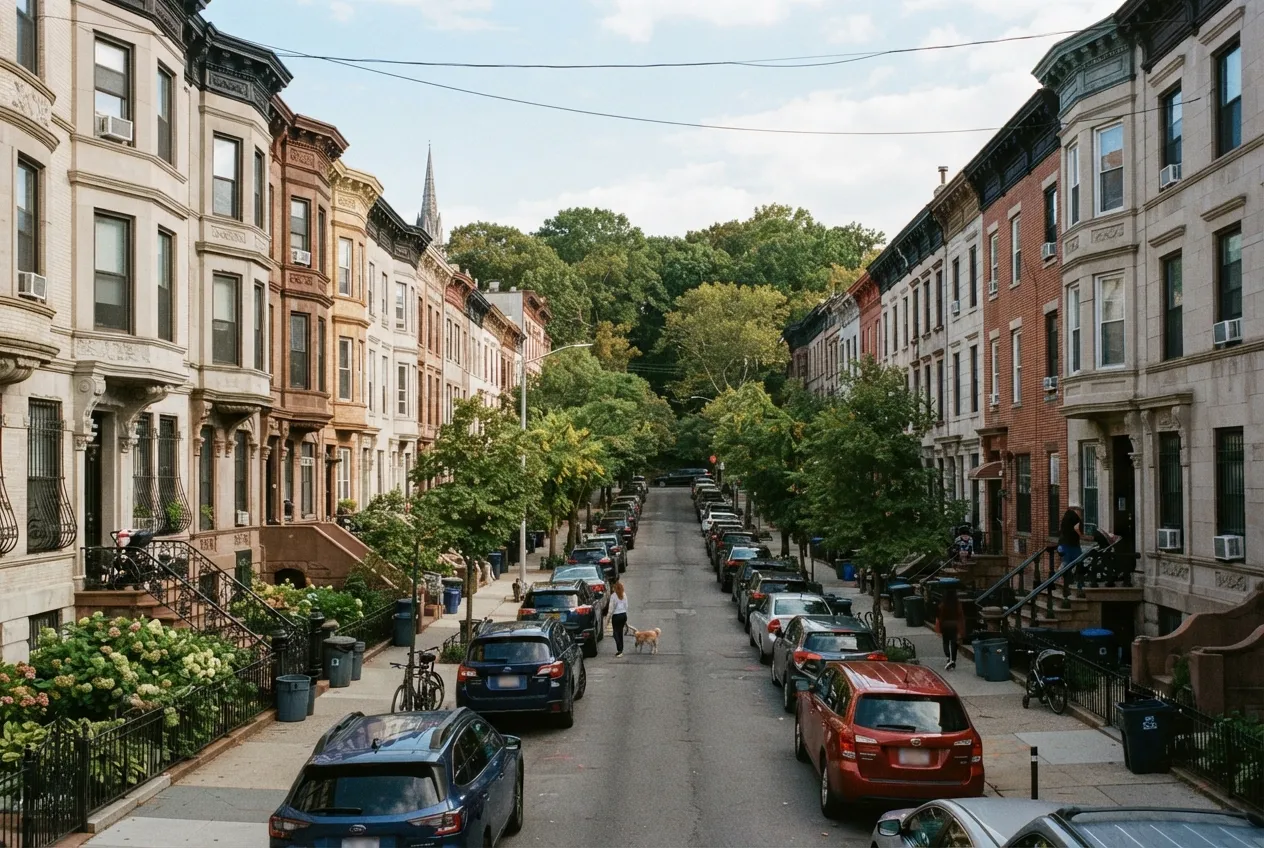
Park Slope is full of brownstones, rowhouses and pre-war apartment buildings, and many of them still rely on masonry chimneys built long before today's heating equipment. Some of those chimneys vent a wood-burning fireplace. Others carry exhaust from a boiler or water heater. Many do both, or once did. NorthStar Chimney Services is about a mile from Park Slope, so we can reach homes in 11217 easily. Our certified technicians inspect chimneys, fireplaces and vents so you know what condition your system is in before you light a fire or start the heat for the season.
Why Chimney Inspections Matter in Park Slope Homes
Older Brooklyn masonry takes a beating. Freeze-thaw cycles, decades of exhaust and settling can crack flue tiles, loosen mortar joints and damage chimney crowns. In a brownstone or rowhouse, chimneys often run inside shared or party walls, so a problem in one flue can affect more than one part of the building.
The NFPA 211 standard calls for chimneys, fireplaces and vents to be inspected once a year. A yearly check finds creosote buildup, blockages from debris or animal nests, deteriorated liners and water damage while they are still manageable. It also confirms that the chimney is sized and lined correctly for the appliance it serves.
Which Inspection Level Your Home Needs
Chimney professionals use three inspection levels. The right one depends on what has happened with your home and heating system since the last inspection.
- Level 1: For chimneys and appliances that have not changed. We check the accessible parts of the chimney, the firebox or appliance connection, and the basic structure for soundness and obstructions.
- Level 2: Needed when the system changes, such as a new boiler, a new stove or insert, or a switch from one fuel to another. It is also the standard inspection when a home is sold, which is common with Park Slope brownstones and co-op buildings. It includes a video scan of the flue's interior.
- Level 3: Used when a hidden hazard can only be reached by opening part of the chimney or building, such as a wall or chase. It is usually recommended only when a Level 1 or Level 2 inspection points to a serious concern.
Oil-to-Gas Conversions and Chimney Liners
Many Park Slope buildings that once burned heating oil have switched, or are planning to switch, to gas. When a New York City building converts its boiler from oil to gas, the chimney must be evaluated as part of the work.
A new liner is often needed. Gas exhaust produces acidic condensate, and over time it can corrode an unlined or tile-lined masonry flue. If you are planning a conversion, an inspection tells you early whether a liner belongs in the project, instead of finding out partway through.
Plan Around New York City's Heat Season
New York City's heat season runs from October 1 through May 31. During that time, building owners must keep apartments heated to the city's minimum temperatures. For owners of multi-unit brownstones and pre-war buildings, a chimney problem in midwinter can mean a boiler that cannot safely run.
Scheduling your inspection in late summer or early fall gives you time to handle any repairs before tenants or family members depend on the heat. If you only use a fireplace now and then, an inspection before the first fire of the season makes the most sense.
What Our Technicians Check
Every inspection ends with a clear explanation of what we found, in plain language, along with photos where they help.
- Chimney crown, cap and exterior masonry on the roof
- Flue liner condition, cracks, gaps and corrosion
- Creosote and soot buildup in fireplace flues
- Blockages from debris, leaves or nesting animals
- Smoke chamber, damper and firebox
- Connections from boilers and water heaters to the chimney
- Signs of water entry, such as staining or spalling brick
Serving Park Slope and Nearby Neighborhoods
We inspect chimneys throughout Park Slope and in nearby Prospect Heights, Carroll Gardens, Cobble Hill, Gowanus and Red Hook. Whether you own a single-family rowhouse or manage a pre-war apartment building, we will recommend the inspection level that fits your situation and explain why.
More services in Park Slope
- Chimney Sweep in Park SlopeLocal service & repairs
- Chimney Repair in Park SlopeLocal service & repairs
- Air Duct Cleaning in Park SlopeLocal service & repairs
- Chimney Liner Installation in Park SlopeLocal service & repairs