
The short answer
NorthStar Chimney Services repairs masonry chimneys in Park Slope, including repointing, crowns, flashing, caps and flue liners. Our certified technicians inspect first to find the cause, then fix it. It's best to schedule the work before New York City's heat season starts on October 1.
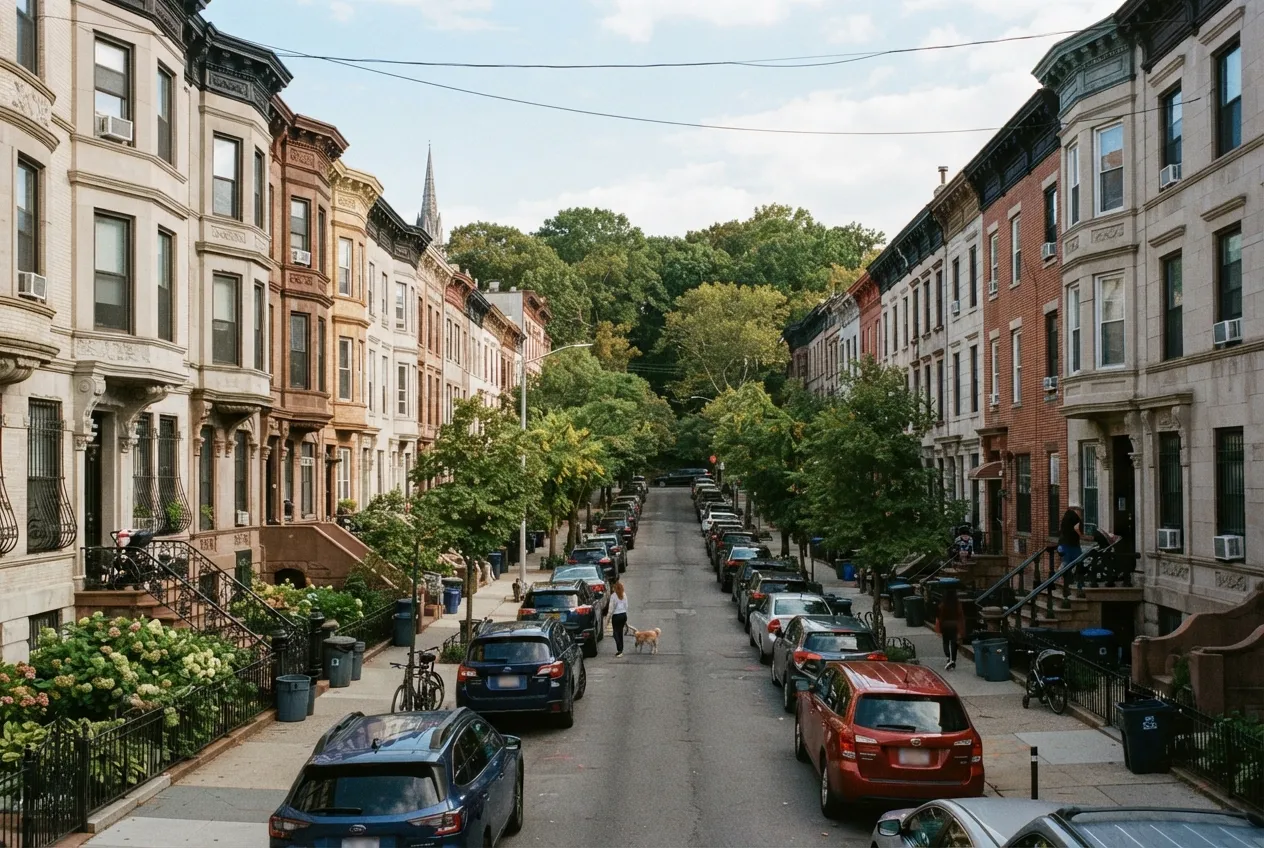
Park Slope's brownstones, rowhouses and pre-war apartment buildings mostly rely on brick chimneys that have taken decades of weather. Many of those chimneys were built for coal or oil, not for today's gas boilers and water heaters. NorthStar Chimney Services repairs chimneys throughout Park Slope (11217), about a mile east of our Brooklyn office. Our certified technicians find out why a chimney is failing, show you what they found, and fix the cause instead of covering up the symptoms.
What Wears Out on Park Slope Chimneys
Most homes in the neighborhood have masonry chimneys that run up through a party wall and come out on a flat or low-slope roof. That layout leaves the top of the chimney exposed to wind, rain and snow. Water that gets in can travel into your walls, or your neighbor's, before anyone notices. Over time the mortar joints erode, the cement crown on top cracks, and the flashing where the chimney meets the roof pulls loose.
Inside the flue, older clay tile liners crack or shift, and some chimneys in older rowhouses have no liner at all. These problems are harder to see but matter more. A damaged flue can let heat, smoke or exhaust gases reach parts of the house they shouldn't.
Chimney Repairs We Handle
We repair the whole system, from the cap down to the firebox:
On attached homes, we check how your chimney ties into the neighbors' stacks before recommending any work. That way a repair on one side doesn't create a problem on the other.
- Repointing: removing failed mortar and packing in new mortar so water stops getting into the joints.
- Replacing spalled or loose brick, especially near the top, where the chimney takes the most weather.
- Rebuilding or resealing cracked chimney crowns.
- Replacing or resealing flashing at the roof line to stop leaks onto top-floor ceilings and walls.
- Installing chimney caps to keep out rain, birds and squirrels.
- Relining flues with stainless steel liners sized for the appliance they serve.
- Repairing dampers, smoke chambers and firebox brick on working fireplaces.
Boiler Conversions and Flue Liners
When a New York City building converts its boiler from oil to gas, the chimney has to be evaluated as part of the job. A new liner is often needed. Gas exhaust produces acidic condensate that can corrode a masonry flue that worked fine for oil. Many brownstones and small apartment buildings in the area have made this switch, and some older flues were never relined afterward.
If your building has switched fuels or plans to, we can inspect the flue and tell you whether the existing liner is suitable. If it isn't, we can install a new one. Signs that a flue is already being damaged include crumbling mortar or tile at the base of the chimney, white staining on the brick, and moisture in the boiler room near where the boiler connects to the chimney.
Inspections and Timing in New York City
The NFPA 211 standard calls for chimneys, fireplaces and vents to be inspected once a year. A Level 1 inspection is for a system that hasn't changed. A Level 2 inspection is used when something does change, such as a new appliance or a switch of fuel, or when the home is sold. A Level 3 inspection is for hidden hazards that can only be reached by opening part of the chimney or building.
Timing matters here. New York City's heat season runs from October 1 through May 31, and building owners must keep apartments heated to the city's minimum temperatures during that period. A chimney problem that forces a boiler shutdown in January is far more disruptive than a repair scheduled in summer or early fall. If you own a multi-unit building, plan inspections and repairs for the warmer months.
What to Expect From a Repair Visit
We start with an inspection to find the cause, not just the visible damage. A water stain on a top-floor ceiling, for example, could come from flashing, a cracked crown or porous brick, and each one needs a different fix. You'll get photos and a plain explanation of what we found, what needs attention now, and what can wait.
We also repair chimneys in nearby Prospect Heights, Carroll Gardens, Cobble Hill, Gowanus and Red Hook, where the housing and the chimney problems are much the same.
More services in Park Slope
- Chimney Sweep in Park SlopeLocal service & repairs
- Chimney Inspection in Park SlopeLocal service & repairs
- Air Duct Cleaning in Park SlopeLocal service & repairs
- Chimney Liner Installation in Park SlopeLocal service & repairs