
The short answer
Yes, NorthStar Chimney Services covers the Financial District, about 2 miles north of our Brooklyn office, in ZIP codes 10005, 10006, 10038, 10271, 10280 and 10282. We handle chimney sweeps, inspections, repairs, liners, dryer vents and air ducts for apartments, converted buildings and older homes.
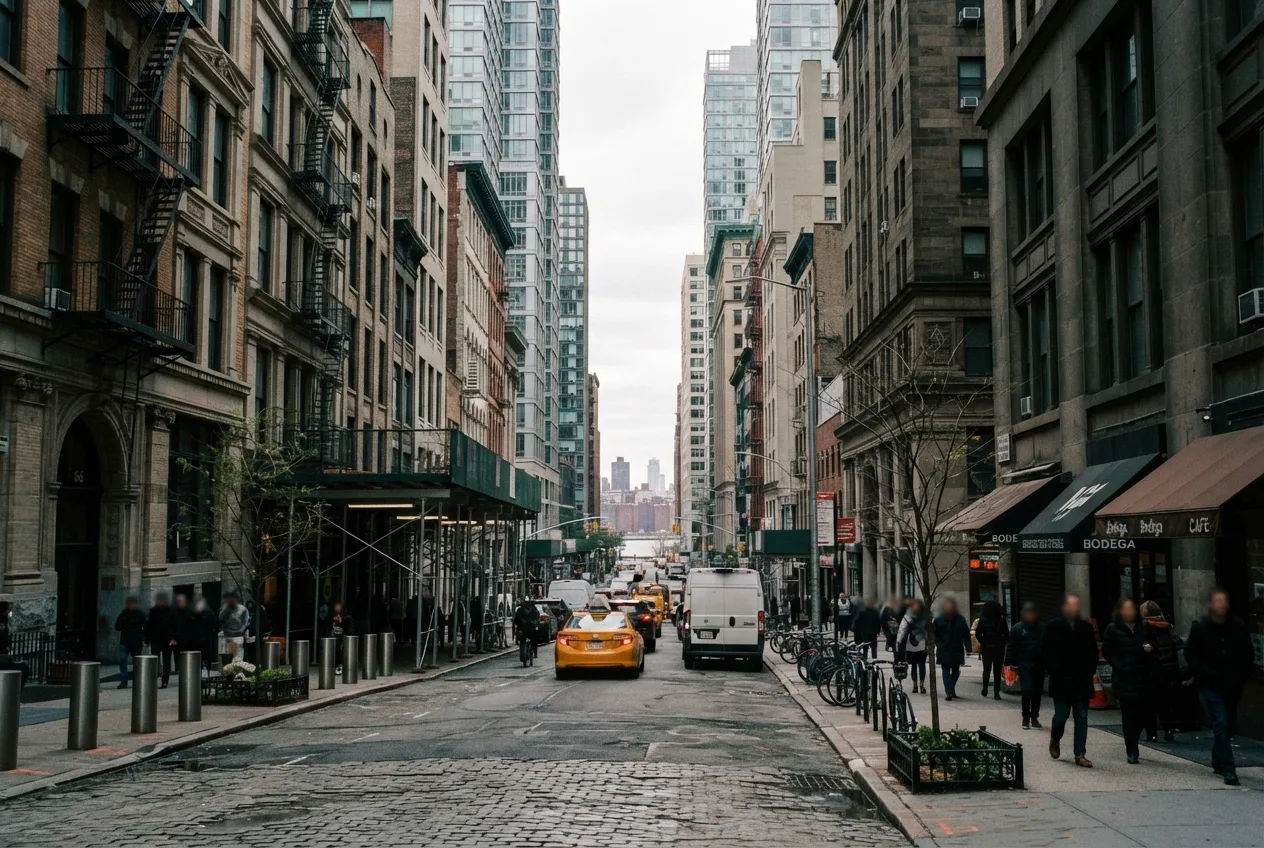
NorthStar Chimney Services works in the Financial District, about 2 miles north of our office in Brooklyn. We clean, inspect and repair chimneys, fireplaces, dryer vents and air ducts in homes and apartment buildings across ZIP codes 10005, 10006, 10038, 10271, 10280 and 10282. Most housing here is apartments: pre-war apartment buildings, older commercial buildings converted to residences, and newer high-rises, plus some smaller older buildings. Each type has its own venting setup. We plan every visit around how your building actually works, from a single wood-burning fireplace in a loft to a boiler flue that serves a whole building.
Services We Offer in the Financial District
Whether you have a working fireplace in a converted loft or a dryer that vents through a long duct to the outside, we handle the full range of chimney and venting work:
- Chimney Sweep: removing soot and creosote from the flue and smoke chamber
- Chimney Inspection: Level 1, 2 and 3 inspections following NFPA 211
- Chimney Repair: fixing masonry, crowns and flashing
- Air Duct Cleaning: for visible mold, vermin or heavy dust and debris
- Chimney Liner Installation: new liners sized for your appliance and fuel
- Dryer Vent Cleaning: clearing lint from the duct and the exterior vent
- Chimney Cap & Chase Cover: keeping out rain, snow, birds and debris
- Chimney Waterproofing: breathable sealing for exposed masonry
- Fireplace & Damper Repair: fixing dampers that stick, leak or no longer seal
- Chimney Rebuilding: partial or full rebuilds when the masonry can't be repaired
Why Annual Inspections Matter
The NFPA 211 standard calls for chimneys, fireplaces and vents to be inspected once a year. That applies whether you burn wood a few nights each winter or your building's boiler runs all season.
Chimney professionals use three inspection levels. A Level 1 inspection fits when nothing about the system has changed. A Level 2 inspection is called for when the system changes, such as a new appliance or a switch of fuel. It is also called for when the home is sold, which matters if you are buying or selling a condo or co-op unit with a fireplace. A Level 3 inspection is needed only when a hidden hazard has to be reached by opening part of the chimney or building. We explain why before recommending one.
Oil-to-Gas Conversions and Chimney Liners
When a New York City building converts its boiler from oil to gas, the chimney has to be evaluated as part of the work. A new liner is often needed. Gas exhaust produces acidic condensate that can corrode a masonry flue that was built for oil.
New York City's heat season runs from October 1 through May 31. During that time, building owners must keep apartments heated to the city's minimum temperatures. For owners and managers of older buildings, chimney and liner work is easiest to schedule in summer and early fall, before the boiler has to run steadily. If you are planning a conversion, we can inspect and measure the flue and install a liner matched to the new equipment.
Lower Manhattan Weather and Your Chimney
Lower Manhattan sits at the water's edge, so buildings here take wind-driven rain, coastal storms and nor'easters head-on. Winters bring repeated freeze-thaw cycles. Water gets into brick and mortar joints, freezes, expands and slowly breaks the masonry apart. Humid summers bring their own problem: moisture in a flue mixes with soot and creosote and can cause strong odors.
Most chimney damage starts with water. A well-fitted cap, a sound chase cover on framed chimneys, a crown without cracks and a breathable waterproofing treatment keep moisture out. That helps prevent crumbling brick, rusted dampers and stained ceilings.
Dryer Vents and Air Ducts in Apartment Buildings
In apartment buildings, dryer vents often run longer and make more turns than in a house, which gives lint more places to collect. According to the U.S. Fire Administration, failure to clean is the leading factor contributing to clothes dryer fires in homes. If clothes take longer to dry or the laundry area feels hot, the vent is due for cleaning.
For air ducts, we follow the U.S. EPA's guidance. Cleaning makes sense when there is substantial visible mold growth, vermin, or excessive dust and debris. The EPA also notes that duct cleaning has not been shown to prevent health problems. It warns consumers to research the process before responding to very cheap advertised offers and to be careful with chemical treatments. If your ducts don't need cleaning, we'll tell you.
Nearby Neighborhoods We Serve
From our Brooklyn office, the Financial District is a short trip for our crews. We also serve nearby Brooklyn Heights, Downtown Brooklyn, DUMBO, Boerum Hill and Carroll Gardens, where brownstones, rowhouses and pre-war apartment buildings are common.
ZIP codes we serve
- 10005
- 10006
- 10038
- 10271
- 10280
- 10282
Services in Financial District
- Chimney Sweep in Financial DistrictLocal service & repairs
- Chimney Inspection in Financial DistrictLocal service & repairs
- Chimney Repair in Financial DistrictLocal service & repairs
- Air Duct Cleaning in Financial DistrictLocal service & repairs
- Chimney Liner Installation in Financial DistrictLocal service & repairs