
The short answer
Fort Greene's older masonry chimneys often need a new liner when a boiler, water heater or fuel type changes, or when an inspection finds cracked, shifted or missing flue tiles. NorthStar's certified technicians inspect the flue first. Then they install a liner sized to the appliance it serves.
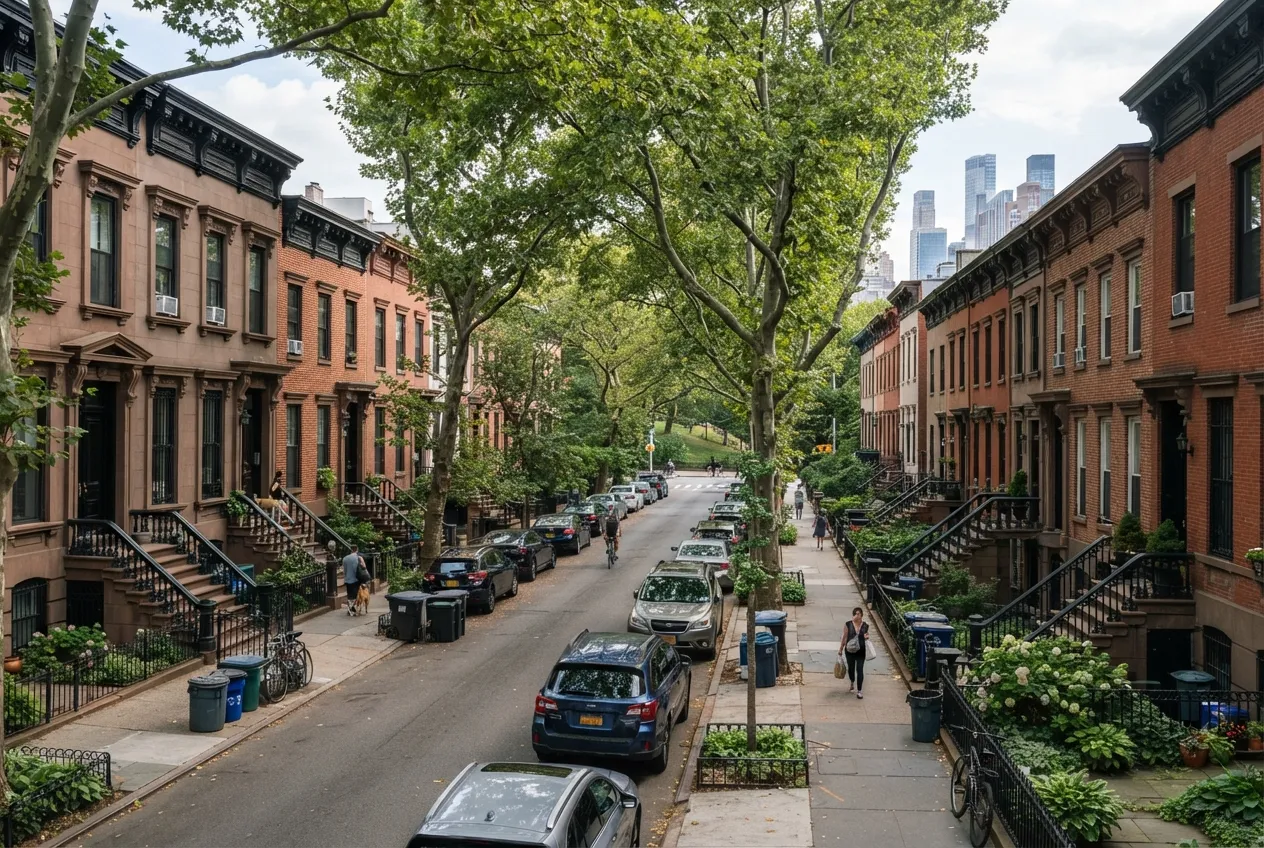
Many Fort Greene homes were built long before today's boilers, water heaters and fireplace inserts existed. Brownstones, rowhouses and pre-war apartment buildings across the neighborhood often still rely on their original masonry flues, which were never designed for the exhaust that modern appliances produce. NorthStar Chimney Services installs chimney liners for homes and buildings in Fort Greene and the 11205 ZIP code, about 2 miles northeast of our Brooklyn office. Our certified technicians start by inspecting the flue. Then we recommend a liner sized and matched to the appliance it will serve, so exhaust leaves the house safely and the surrounding masonry is protected.
Why Fort Greene Chimneys Often Need a New Liner
In older Brooklyn masonry, a flue may have no liner at all. It may have clay tiles that have cracked or shifted over time. Or it may have been sized for a coal or oil appliance that was replaced long ago. Rowhouses and brownstones share party walls, so a damaged flue can let heat, smoke or exhaust gases move into the spaces around it, including a neighbor's home.
A liner gives exhaust a sealed, correctly sized path to the top of the chimney. It protects the brick and mortar from heat and corrosive byproducts, and it helps the appliance draft the way the manufacturer intended. Watch for these signs that your flue may need attention:
- Pieces of mortar or flue tile collecting at the base of the chimney or in the cleanout
- Water stains, white mineral deposits or damp patches on walls next to the chimney
- Rust or corrosion on the pipe connecting the appliance to the chimney
- Weak draft, smoke spilling into the room or lingering exhaust odors
- A recent or planned change of boiler, water heater, fireplace insert or fuel
Oil-to-Gas Conversions in Fort Greene Buildings
Many brownstones and pre-war buildings in the neighborhood have already converted their boilers from oil to gas, and others are planning to. In New York City, the chimney has to be evaluated as part of that conversion, and a new liner is often needed. Gas exhaust produces acidic condensate, which can corrode a masonry flue that handled oil exhaust for decades.
If you're planning a conversion, bring us in early. We can coordinate with your heating contractor so the liner is sized for the new boiler and installed before the system goes into service. That way the chimney work doesn't hold up the rest of the project.
How We Approach a Liner Installation
Every job starts with an inspection. The NFPA 211 standard calls for chimneys to be inspected once a year. It calls for a more thorough Level 2 inspection when the system changes, such as a new appliance or a switch of fuel, or when a home is sold. A Level 2 inspection typically includes a camera look inside the flue, so we can see its condition from top to bottom before recommending anything.
From there, the work generally follows these steps:
- Inspect the flue and measure its size, height and any bends or offsets
- Recommend a liner type and diameter matched to the appliance and fuel
- Clean the flue before installation
- Install the liner and secure it at the top and bottom of the chimney
- Fit a cap to keep out rain, debris and animals
- Walk you through the finished work and what we found
Timing Liner Work Around Heat Season
New York City's heat season runs from October 1 through May 31. During those months, building owners must keep apartments heated to the city's minimum temperatures. For owners of brownstones with rental units and small apartment buildings, that makes late spring and summer the most practical window for liner work, especially if a boiler conversion is involved.
If a flue problem turns up during the heating months, we'll talk through what can be done safely and how to keep downtime for your household or tenants as short as possible.
Serving Fort Greene and Nearby Neighborhoods
We work throughout Fort Greene and the 11205 ZIP code. We also serve the surrounding Brooklyn neighborhoods of Downtown Brooklyn, DUMBO, Boerum Hill, Prospect Heights and Brooklyn Heights. You may own a single-family rowhouse, a brownstone with tenants or a pre-war building. Either way, we'll inspect the chimney, explain your options in plain terms and schedule the work around your household.
More services in Fort Greene
- Chimney Sweep in Fort GreeneLocal service & repairs
- Chimney Inspection in Fort GreeneLocal service & repairs
- Chimney Repair in Fort GreeneLocal service & repairs
- Air Duct Cleaning in Fort GreeneLocal service & repairs