
The short answer
Yes, your Fort Greene chimney should be inspected once a year. The NFPA 211 standard calls for chimneys, fireplaces and vents to be inspected annually, and that matters for the neighborhood's older masonry chimneys. NorthStar's certified technicians recommend the right inspection level, check for flue damage from oil-to-gas conversions, and explain what they find in plain language.
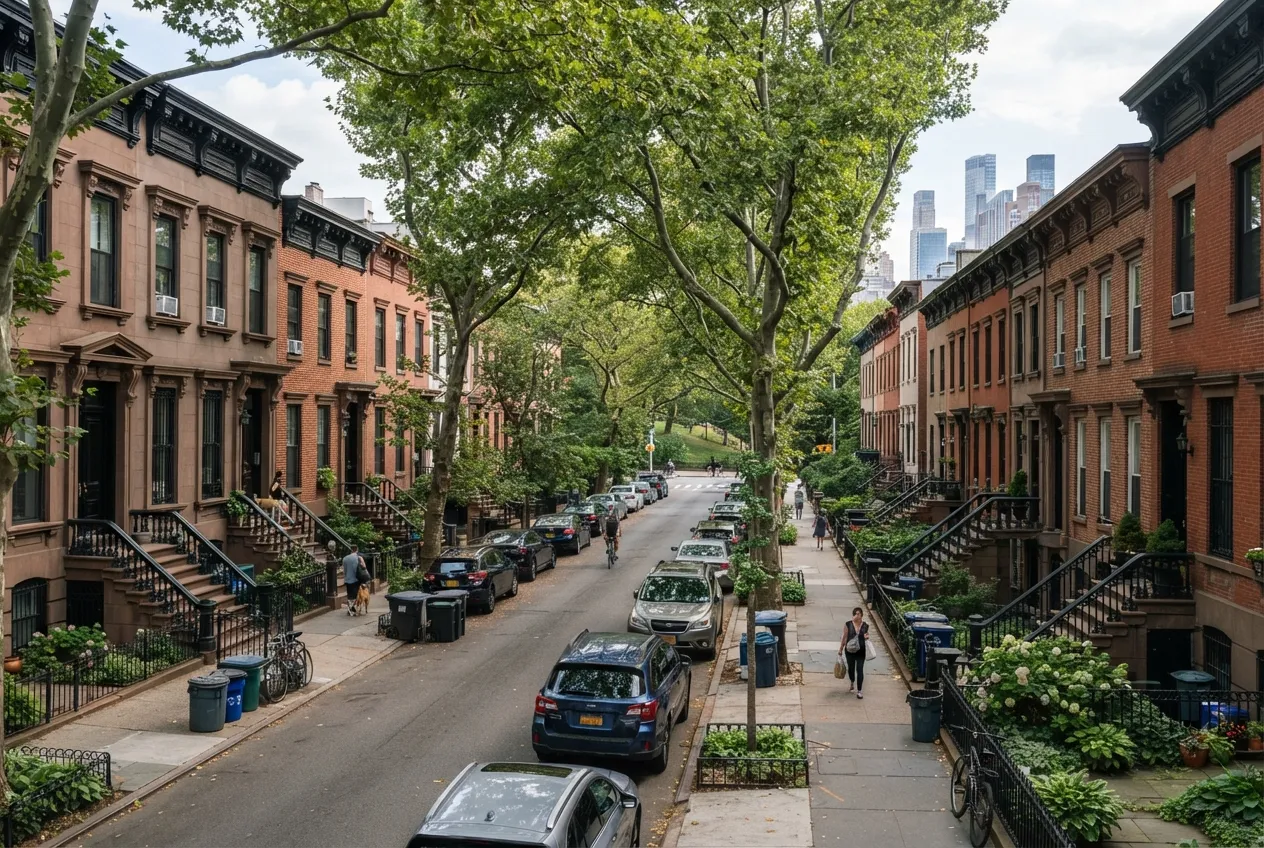
Many homes in Fort Greene were built long before modern heating equipment, and their chimneys have handled a lot over the years: wood fires, coal, oil boilers, and now gas furnaces and water heaters. NorthStar Chimney Services inspects chimneys, fireplaces and vents in brownstones, rowhouses and pre-war apartment buildings across the 11205 ZIP code. Our office is about 2 miles away in Brooklyn, so scheduling a visit is simple. Our certified technicians tell you what condition your chimney is in, what needs attention now, and what can wait.
Why Fort Greene Chimneys Need a Yearly Look
The NFPA 211 standard calls for chimneys, fireplaces and vents to be inspected once a year. That applies whether you burn wood every weekend or only use the flue to vent a boiler. Problems inside a flue rarely announce themselves. Cracked clay tiles, missing mortar, soot and creosote buildup, and debris from birds or squirrels can all stay out of sight until they cause a draft problem or something worse.
In attached rowhouses and brownstones, chimneys often run inside party walls or alongside a neighbor's flue. Older masonry, decades of freeze-and-thaw cycles, and past renovations can leave gaps that let smoke or exhaust travel where it shouldn't. A yearly inspection catches these issues while they are still small and easier to fix.
Choosing the Right Inspection Level
Chimney professionals use three inspection levels. We recommend the one that fits your situation instead of defaulting to the most involved option.
If you are buying or selling a Fort Greene brownstone or an apartment with a working fireplace, a Level 2 inspection gives both sides a clear picture of the chimney's condition before closing.
- Level 1: For chimneys where nothing has changed. We examine the readily accessible parts of the chimney, the fireplace or appliance connection, and look for blockages and buildup.
- Level 2: When the system changes, such as a new boiler or furnace or a switch from one fuel to another, or when the home is sold. This is a more thorough look at the flue and the accessible areas around it.
- Level 3: When a hidden hazard has to be reached by opening part of the chimney or the building. This is only called for when a lower-level inspection points to a concern that can't be confirmed any other way.
Oil-to-Gas Conversions and Flue Liners
Many older Brooklyn buildings have already moved from oil heat to gas, and others are planning to. When a New York City building converts its boiler from oil to gas, the chimney has to be evaluated as part of the work. A new liner is often needed, because gas exhaust produces acidic condensate that can corrode a masonry flue.
If your building has converted and you aren't sure whether the chimney was relined, an inspection will tell you whether the existing flue suits the appliance it serves. Let us know if you've noticed white staining on the exterior brick, crumbling mortar near the top of the chimney, or debris collecting at the base of the flue.
Timing Your Inspection Around Heat Season
New York City's heat season runs from October 1 through May 31. During those months, building owners must keep apartments heated to the city's minimum temperatures, which means the boiler and its chimney need to be working. For owners of multi-unit buildings, finding a flue problem in January is much harder to deal with than finding it in late summer.
We suggest booking your yearly inspection in late spring or summer, when any repairs can be scheduled without interrupting heat. If you use a fireplace, an early fall inspection before the first fire also works well.
What to Expect During Your Visit
Our certified technicians protect your floors and furnishings, then work through the system step by step.
If cleaning or repair is needed, we explain your options and let you decide. No work is done without your approval.
- Exterior check of the chimney crown, cap, flashing and masonry
- Interior check of the firebox, damper, smoke chamber and flue
- Review of connections for boilers, furnaces and water heaters
- Notes on creosote, soot, blockages and signs of moisture
- A plain-language explanation of what we found, with photos where possible
Serving Fort Greene and Nearby Neighborhoods
Along with Fort Greene, we inspect chimneys in Downtown Brooklyn, DUMBO, Boerum Hill, Prospect Heights and Brooklyn Heights. Whether you own a single rowhouse or manage a pre-war apartment building, we can help keep your chimney in safe working order.
More services in Fort Greene
- Chimney Sweep in Fort GreeneLocal service & repairs
- Chimney Repair in Fort GreeneLocal service & repairs
- Air Duct Cleaning in Fort GreeneLocal service & repairs
- Chimney Liner Installation in Fort GreeneLocal service & repairs