
The short answer
NorthStar Chimney Services sweeps chimneys in Cobble Hill from our office at 373 Columbia St. We remove creosote, soot and debris from fireplace and heating flues. The NFPA 211 standard calls for a yearly inspection, and a sweep is needed when buildup or blockages turn up or before an idle fireplace is used again.
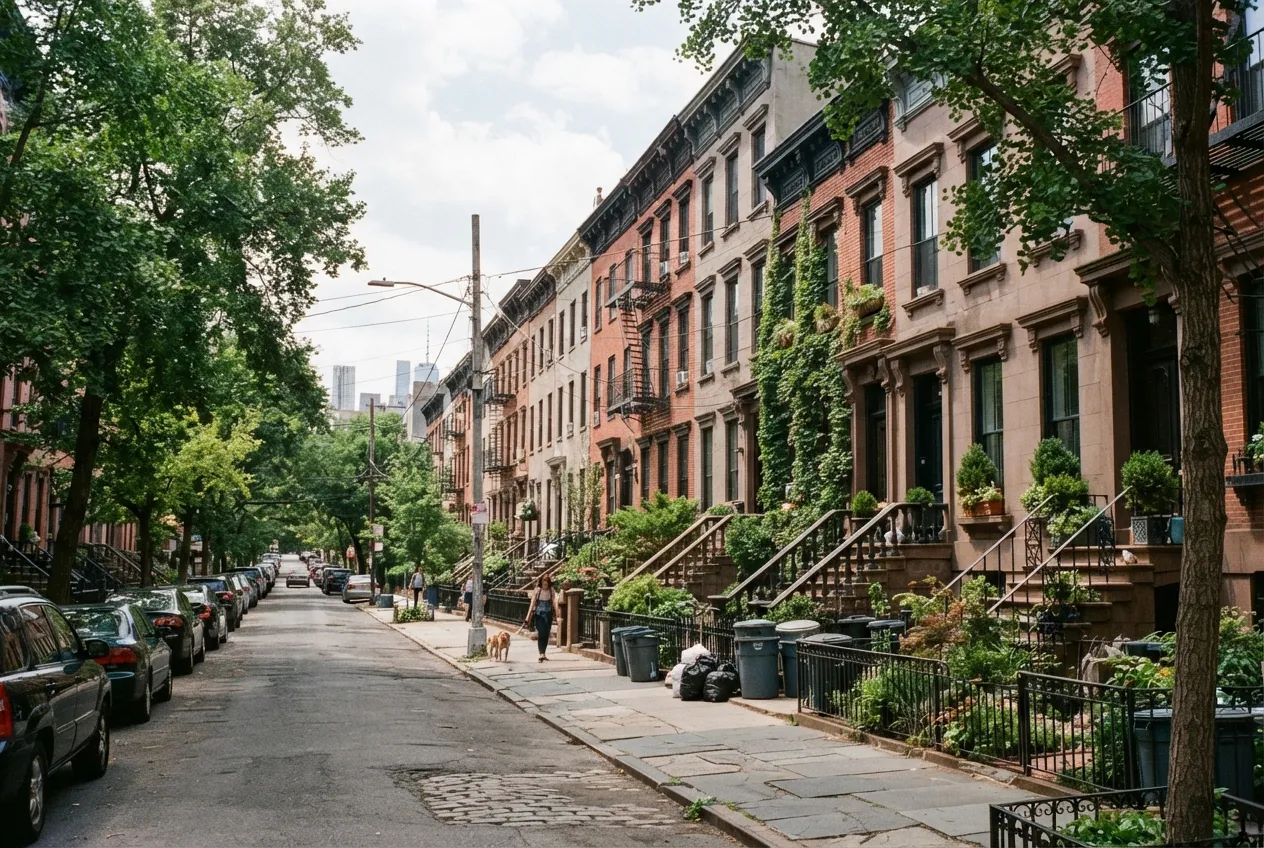
Cobble Hill is home base for NorthStar Chimney Services. Our office is at 373 Columbia St, so a chimney sweep here is a short trip for our crew. The neighborhood's rowhouses, brownstones and pre-war apartment buildings often have older masonry chimneys. Some serve a wood-burning fireplace, others vent a boiler or furnace, and many have flues that have sat unused for years. Our certified technicians sweep and check these chimneys so they draw properly and stay clear of creosote, soot and blockages.
What a Chimney Sweep Covers
A sweep removes the soot, creosote and loose debris that build up inside a flue. Creosote is the tarry residue left when wood smoke cools on its way up the chimney. It is flammable, and a thick layer can catch fire. Soot and debris also narrow the flue, which can push smoke back into the room or keep combustion gases from leaving the house.
On a typical visit, we:
- Protect the floor and furnishings around the fireplace or appliance before starting
- Brush the flue and smoke chamber and vacuum the debris as we work
- Clear the firebox, smoke shelf and damper area
- Check the damper, chimney cap and visible flue lining for damage or blockages
- Explain what we found and what, if anything, needs attention
Older Chimneys in Rowhouses and Brownstones
Many older Cobble Hill homes were built with several fireplaces, often one per floor, each with its own flue in a shared chimney stack. Over the years some get sealed, some become decorative and one or two stay in service. An idle flue collects nests, leaves and fallen mortar. Before you light a fireplace that has sat unused, have it swept and checked.
Masonry chimneys in older buildings also go through years of freeze-thaw weather. Cracked flue tiles, missing mortar joints and a worn chimney crown can let heat, smoke or water reach places they shouldn't. A sweep is a good time to catch these problems early, because a clean flue is much easier to see into.
In attached houses, chimneys often run along party walls, and the stack may sit close to a neighbor's. If we notice something that affects a shared structure, we'll let you know so you can coordinate with the adjoining owner.
Boiler and Furnace Flues, Not Just Fireplaces
Plenty of homes in the neighborhood never light a fire but still depend on a chimney every day. Many boilers and furnaces vent through a masonry flue, and that flue needs the same attention. Oil-fired systems leave soot that builds up over time. Gas appliances produce moist exhaust that condenses into acidic residue.
When a New York City building converts its boiler from oil to gas, the chimney has to be evaluated as part of the work. A new liner is often needed, because that acidic condensate can corrode a masonry flue. If you are planning a conversion, have the chimney looked at early in the process.
The city's heat season runs from October 1 through May 31. Late summer and early fall are practical times to have heating flues swept, before the system runs steadily for months.
How Often to Schedule a Sweep
The NFPA 211 standard calls for chimneys, fireplaces and vents to be inspected once a year. Whether the flue also needs sweeping depends on what the inspection finds and how often you use it. A fireplace used most winter weekends will need sweeping more often than one lit a few times a season. Chimney professionals use three inspection levels:
Schedule a sweep sooner if you notice a strong smoky odor, smoke spilling into the room, flaky black deposits in the firebox, or debris falling past the damper.
- Level 1: for a chimney whose setup hasn't changed
- Level 2: when you add or replace an appliance, switch fuels, or sell the home
- Level 3: when a suspected hidden hazard can only be reached by opening part of the chimney or building
Serving Cobble Hill and Nearby Neighborhoods
Our office is at 373 Columbia St, so homes across Cobble Hill and the 11231 ZIP code are close by. We also sweep chimneys in Carroll Gardens, Gowanus, Red Hook, Park Slope and Brooklyn Heights, which have a similar mix of rowhouses, brownstones, pre-war apartment buildings and some detached homes. If you own a unit in a larger building, check with your board or managing agent first, since the chimney may be a shared building system.
More services in Cobble Hill
- Chimney Inspection in Cobble HillLocal service & repairs
- Chimney Repair in Cobble HillLocal service & repairs
- Air Duct Cleaning in Cobble HillLocal service & repairs
- Chimney Liner Installation in Cobble HillLocal service & repairs