
The short answer
Under the NFPA 211 standard, a chimney should be inspected once a year, and more thoroughly when you change appliances or fuel or sell the home. In Cobble Hill, inspections often focus on aging masonry flues and on liners in buildings that have switched from oil to gas.
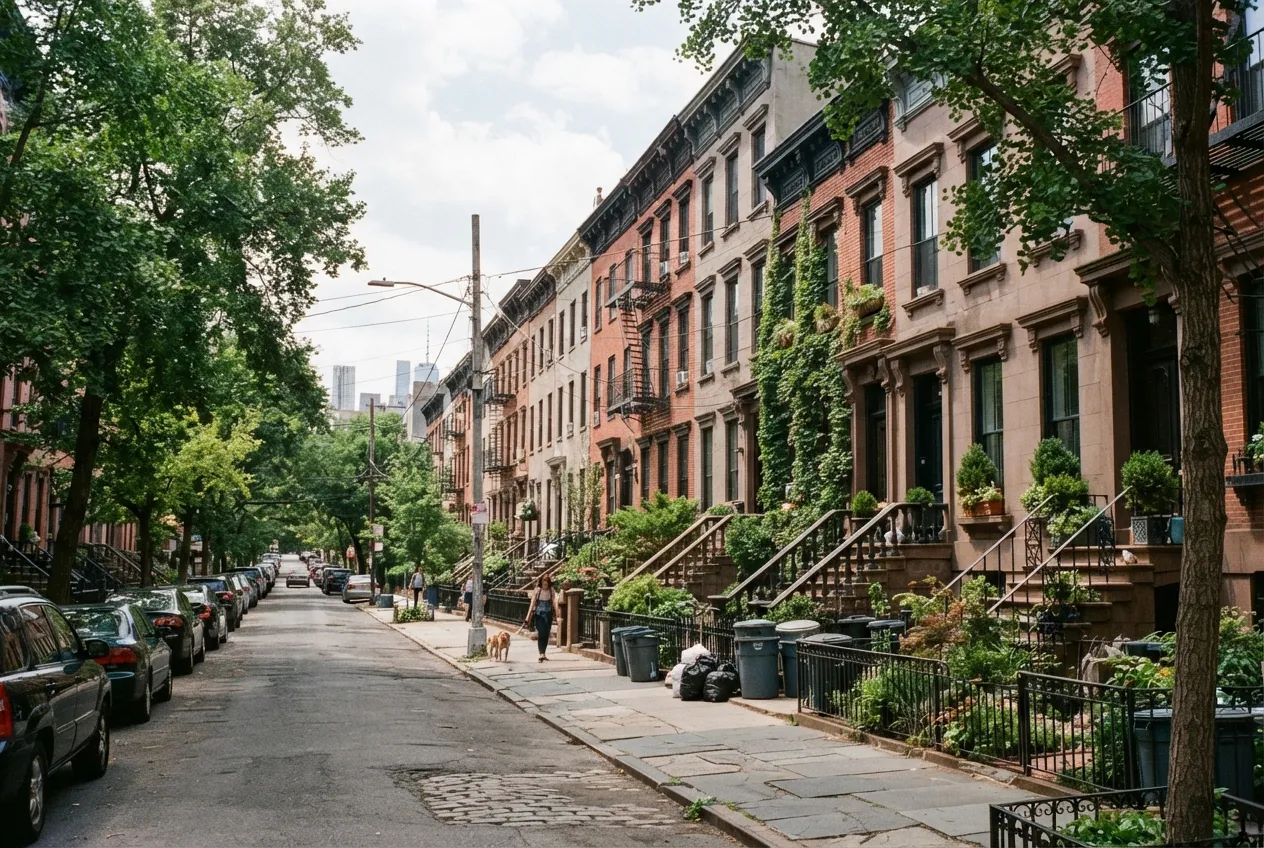
Many Cobble Hill homes have chimneys that have served through decades of changing heating systems: coal grates converted to wood, oil boilers converted to gas, and fireplaces closed off and later reopened. A flue that looks fine from the living room can hide cracked tiles, missing mortar, or a liner that no longer suits the appliance it vents. NorthStar Chimney Services runs its office from 373 Columbia St, here in the neighborhood. Our certified technicians inspect chimneys in brownstones, rowhouses, pre-war apartment buildings, and the occasional detached home across the 11231 ZIP code.
Why Yearly Inspection Matters in Cobble Hill
The NFPA 211 standard calls for chimneys, fireplaces, and vents to be inspected once a year. This applies whether you burn wood every weekend or only run a gas boiler. Flues serving boilers and water heaters work hard all winter, and their exhaust has to leave the house safely every time the burner fires.
Many homes in Cobble Hill are attached and share party walls. In those homes, a problem in one flue can matter to more than one household. A yearly look catches small issues, such as a loose cap, early mortar loss, or debris at the base of the flue, before they turn into a blocked vent or a costly masonry repair.
The Three Inspection Levels, Explained
Chimney professionals use three inspection levels. We recommend the level that fits your situation rather than defaulting to the most involved option.
- Level 1: For a system that hasn't changed. We check the accessible parts of the chimney, firebox, damper, and connections for soundness, blockages, and buildup.
- Level 2: Needed when something changes, such as a new boiler, a new stove or insert, or a switch from oil to gas. It is also called for when a home is sold. It includes a closer look inside the flue, usually with a camera, plus accessible attic, basement, and roof areas.
- Level 3: Reserved for cases where a suspected hidden hazard can only be reached by opening part of the chimney or building. We explain why before any of this work is proposed.
What We Look For in Brownstones and Rowhouses
Older masonry chimneys in this part of Brooklyn have their own common trouble spots. During an inspection, we pay particular attention to:
- Cracked, shifted, or missing flue tiles, or flues that were never lined at all
- Deteriorated mortar joints in the stack and crown, especially on exposed rooftop sections
- Fireplaces that have been reopened after years of sitting sealed
- Dampers, smoke chambers, and fireboxes that show heat damage or settling
- Creosote buildup in wood-burning flues
- Animal nests, fallen debris, or a missing chimney cap
- Connector pipes from boilers and water heaters that are loose, corroded, or improperly sloped
Oil-to-Gas Conversions and Liners
Many buildings in and around Cobble Hill have converted their boilers from oil to gas. When a New York City building makes that conversion, the chimney has to be evaluated as part of the work. A new liner is often needed, because gas exhaust produces acidic condensate that can corrode a masonry flue over time.
If your building converted years ago and the flue was never relined, or you aren't sure what was done, an inspection will show the condition of the flue and whether the liner matches the appliance. If you are planning a conversion now, scheduling the chimney evaluation early helps keep the rest of the project on track.
Timing Your Inspection Around Heat Season
New York City's heat season runs from October 1 through May 31. During those months, building owners must keep apartments heated to the city's minimum temperatures. For owners of multi-unit brownstones and pre-war buildings, a venting problem found in January is far harder to manage than one found in August.
Late summer and early fall are good times to inspect, so any repairs can be finished before the boiler runs full time. If you are buying or selling a home, plan for a Level 2 inspection as part of the process.
Serving Cobble Hill and Nearby Neighborhoods
Because our office is on Columbia Street, Cobble Hill is home ground for us. We also inspect chimneys in Carroll Gardens, Gowanus, Red Hook, Park Slope, and Brooklyn Heights. After every inspection, you get a plain explanation of what we found, photos where they help, and clear next steps, whether that means no action, a cleaning, or a repair to plan for.
More services in Cobble Hill
- Chimney Sweep in Cobble HillLocal service & repairs
- Chimney Repair in Cobble HillLocal service & repairs
- Air Duct Cleaning in Cobble HillLocal service & repairs
- Chimney Liner Installation in Cobble HillLocal service & repairs