
The short answer
A chimney liner protects the masonry around your flue and helps exhaust vent properly, and older Cobble Hill brownstones, rowhouses and pre-war buildings often need one relined, especially after an oil-to-gas boiler conversion. We inspect the flue, size a liner to the appliance it serves, and install it from our Cobble Hill office on Columbia St.
Most homes in Cobble Hill were built long before today's boilers, water heaters and fireplace inserts. A chimney liner is the channel inside the flue that carries exhaust up and out while shielding the surrounding brick and mortar from heat, moisture and corrosive byproducts. When that liner is missing, cracked or the wrong size for the appliance it serves, the chimney can't do its job safely. Our office is at 373 Columbia St, right here in Cobble Hill, so our certified technicians can inspect your flue, explain what we find in plain terms, and install a liner matched to the way your home is actually heated.
Why Liners Matter in Cobble Hill's Older Homes
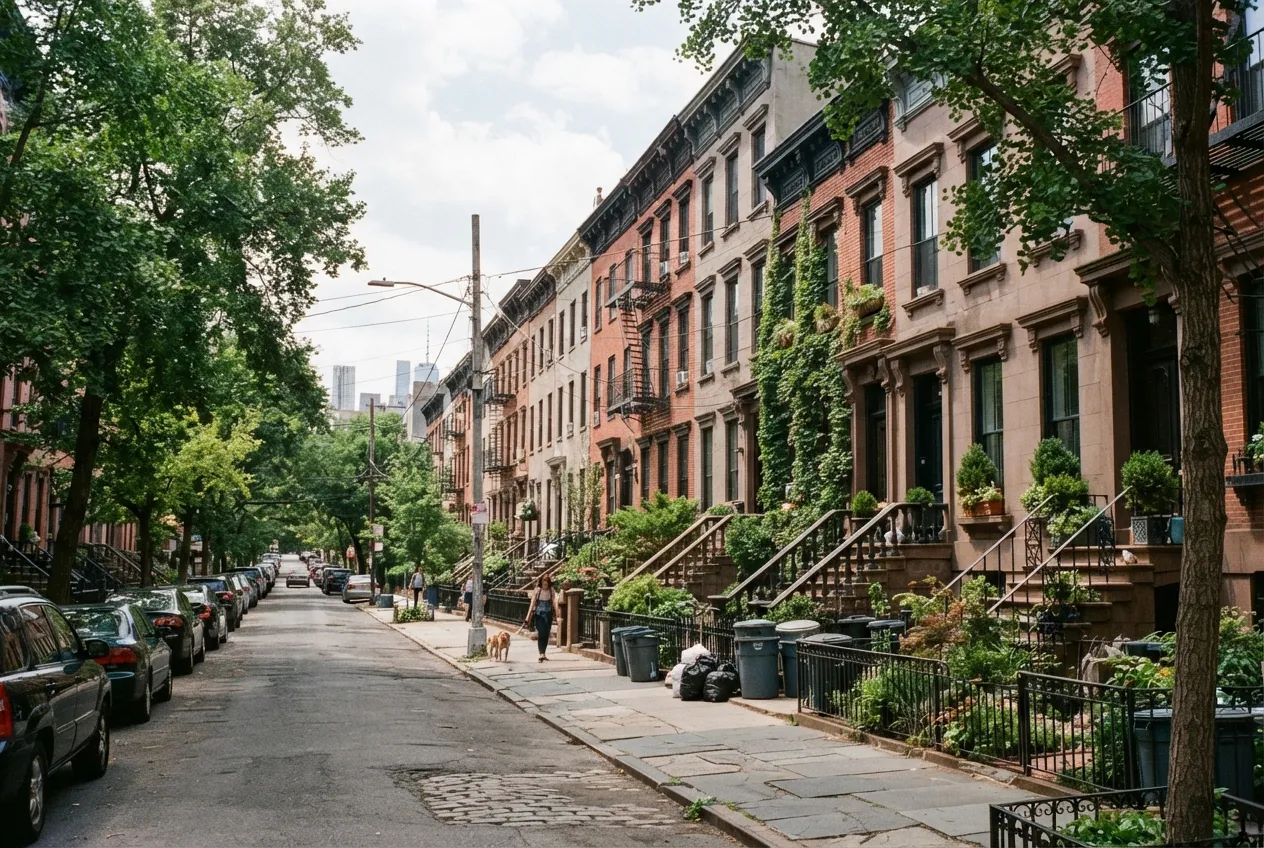
Cobble Hill is largely made up of brownstones, brick rowhouses and pre-war apartment buildings. Many of these chimneys were built for coal or wood and later adapted for oil or gas. Original flues may have no liner at all, or clay tiles that have cracked, shifted or lost mortar at the joints over many decades of use.
In attached homes, chimneys often run alongside party walls shared with neighbors. A damaged flue can let heat, smoke or carbon monoxide find gaps in the masonry rather than leaving through the top of the chimney. A properly installed liner gives exhaust a sealed, continuous path out of the house.
Signs Your Chimney May Need a New Liner
The NFPA 211 standard calls for chimneys, fireplaces and vents to be inspected once a year, and that yearly check is usually where liner problems come to light. A more detailed Level 2 inspection is used when the system changes, such as a new appliance or a switch of fuel, or when the home is sold. Common reasons Cobble Hill owners end up relining include:
- Converting a boiler from oil to gas
- Installing a new boiler, water heater or wood stove insert
- Cracked, missing or displaced clay flue tiles found during inspection
- A flue that is too large or too small for the appliance connected to it
- Crumbling mortar, staining or white residue on the chimney or nearby walls
- Buying or selling a home, when a Level 2 inspection is recommended
Oil-to-Gas Conversions and Your Flue
Many Brooklyn buildings have moved their boilers from oil to gas. When a New York City building converts its boiler from oil to gas, the chimney has to be evaluated as part of the work. A new liner is often needed because gas exhaust produces acidic condensate that can corrode a masonry flue from the inside.
If you're planning a conversion, it helps to bring us in early. We can look at the existing flue, confirm its size and condition, and let you and your heating contractor know whether relining should be part of the project before the new equipment goes in.
Choosing the Right Liner
There isn't one liner that suits every chimney. The right choice depends on the fuel, the appliance and the shape and condition of the existing flue. Stainless steel liners are widely used for gas and oil appliances and can be fed down chimneys with offsets, which are common in older rowhouses. Insulated stainless liners are often used with wood stove inserts to keep flue temperatures stable and reduce creosote buildup.
Sizing matters as much as material. A liner that is too large for the appliance can let exhaust cool and condense, while one that is too small can restrict draft. We match the liner diameter to the appliance's venting requirements rather than to the size of the old opening.
How Installation Works
A typical liner job follows a clear sequence so you know what to expect from the first visit to the final check.
- Inspection of the chimney and flue, including a camera view of the interior where needed
- Measurements of flue height, size and any offsets
- A plain explanation of the options that fit your appliance and chimney
- Installation of the liner from the top down, with connections at the appliance
- A chimney cap to keep out rain, debris and animals
- A final check that the system is venting properly
Planning Around Heat Season
New York City's heat season runs from October 1 through May 31, when building owners must keep apartments heated to the city's minimum temperatures. If you own a multi-unit brownstone or pre-war building with tenants, scheduling liner work during the warmer months helps avoid interrupting heat. If a problem turns up mid-season, we'll talk through how to keep downtime as short as possible.
Along with Cobble Hill and ZIP code 11231, we install liners for homeowners in Carroll Gardens, Gowanus, Red Hook, Park Slope and Brooklyn Heights.
More services in Cobble Hill
- Chimney Sweep in Cobble HillLocal service & repairs
- Chimney Inspection in Cobble HillLocal service & repairs
- Chimney Repair in Cobble HillLocal service & repairs
- Air Duct Cleaning in Cobble HillLocal service & repairs