
The short answer
A chimney liner is the inner channel that carries smoke and exhaust out of your home and keeps heat and acidic gases away from the surrounding brick. In Prospect Heights, liners are most often needed when an older masonry flue is damaged or when a building switches its boiler from oil to gas. NorthStar inspects the flue first, then installs a liner sized to your appliance.
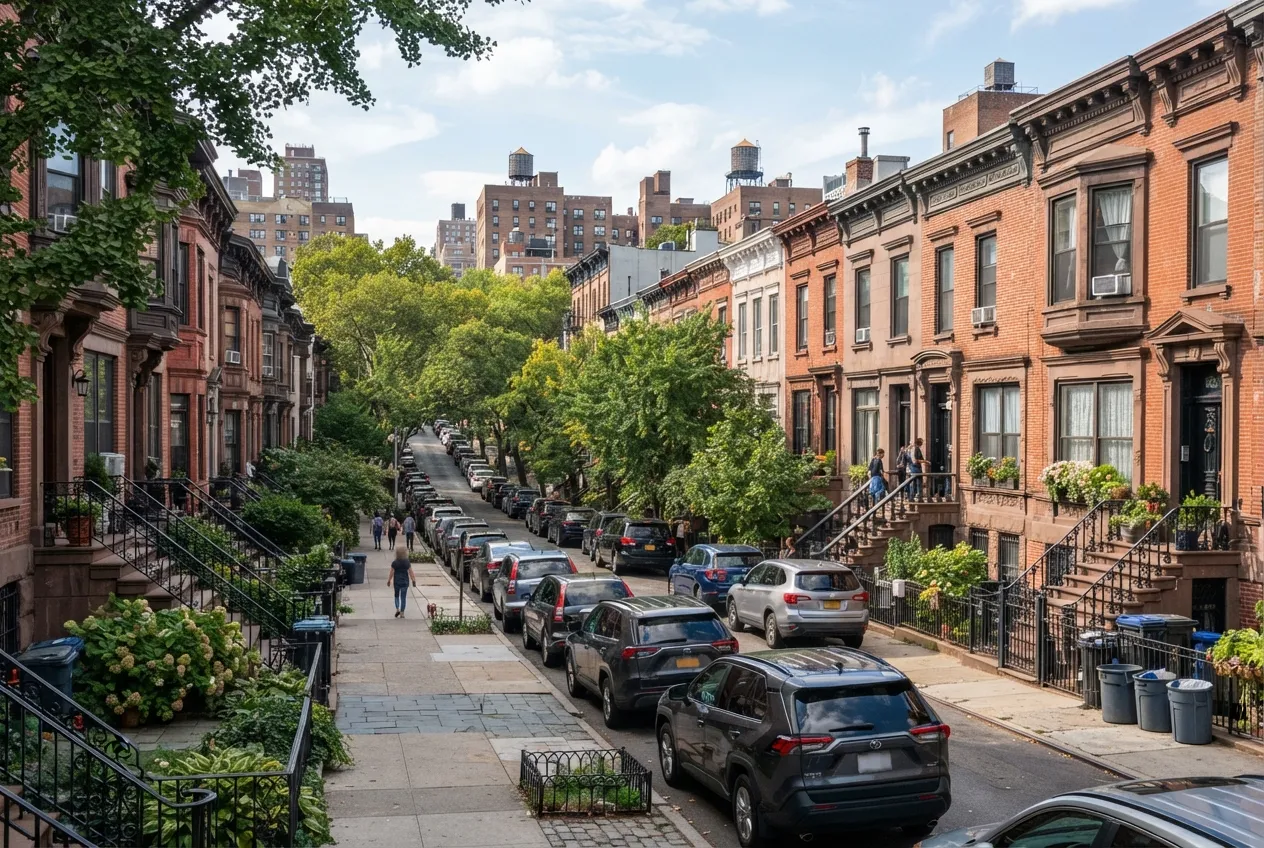
Many homes in Prospect Heights still vent through the original masonry flues they were built with. Brownstones, rowhouses and pre-war apartment buildings often have clay tile liners that have cracked, shifted or worn away, or no liner at all. Brick flues like these were never designed for modern gas boilers and water heaters. NorthStar Chimney Services installs new chimney liners throughout Prospect Heights, about 2 miles east of our Brooklyn office. Our certified technicians size and fit each liner to the appliance it serves, so exhaust leaves the house safely and the masonry is protected from heat and corrosion.
Why Older Prospect Heights Chimneys Need Liners
Much of the housing in Prospect Heights is older masonry construction: attached brownstones and rowhouses with shared walls, plus pre-war apartment buildings with tall flues serving a central boiler. Over the decades, mortar joints wear down, clay tiles crack, and soot and moisture work into the brick. A damaged flue can let heat reach nearby wood framing or let exhaust seep into living spaces or a neighbor's wall.
A properly sized liner gives exhaust a smooth, continuous path to the top of the chimney. It improves draft, reduces buildup, and shields the masonry from the heat and moisture that cause it to deteriorate.
Oil-to-Gas Conversions and Your Flue
Many Brooklyn buildings are converting heating systems from oil to gas. When a New York City building converts its boiler from oil to gas, the chimney has to be evaluated as part of the work. A new liner is often needed because gas exhaust produces acidic condensate that can corrode a masonry flue from the inside.
If you own a brownstone or manage a small apartment building in Prospect Heights and are planning a conversion, it helps to bring us in early. We can inspect the existing flue, explain whether a liner is needed, and coordinate with your heating contractor's schedule so the chimney work does not hold up the new boiler.
How We Install a Chimney Liner
Every job starts with an inspection. The NFPA 211 standard describes three inspection levels. A Level 2 inspection applies when the system changes, such as a new appliance or a switch of fuel, or when a home is sold. That is usually the right starting point before relining. If a hidden hazard has to be reached by opening part of the chimney or the building, a Level 3 inspection may be needed.
Once we know the condition of the flue and the appliance it will serve, we recommend a liner and handle the installation:
- Clean the flue and remove loose debris or broken tile
- Measure the flue and match the liner size to the appliance's venting needs
- Install the liner from the top of the chimney down to the appliance connection
- Insulate where called for, and fit the top plate and cap
- Connect and test the draft, then walk you through what we did
Timing Around Heat Season
New York City's heat season runs from October 1 through May 31. During those months, building owners must keep apartments heated to the city's minimum temperatures. For buildings with tenants, a boiler that cannot run because its flue is unsafe becomes urgent quickly.
Spring and summer are the easiest times to schedule relining, especially for conversions. If a problem turns up in the middle of winter, contact us as soon as possible. We will work to keep the downtime for your heating system as short as we safely can.
Serving Prospect Heights and Nearby Neighborhoods
Along with Prospect Heights, we install chimney liners in Park Slope, Fort Greene, Downtown Brooklyn, DUMBO and Boerum Hill. These neighborhoods share many of the same building types, from attached rowhouses to multi-unit pre-war buildings, so we are familiar with the narrow rooflines, shared chimney stacks and tight basement boiler rooms common across this part of Brooklyn.
More services in Prospect Heights
- Chimney Sweep in Prospect HeightsLocal service & repairs
- Chimney Inspection in Prospect HeightsLocal service & repairs
- Chimney Repair in Prospect HeightsLocal service & repairs
- Air Duct Cleaning in Prospect HeightsLocal service & repairs