
The short answer
Chimneys in Prospect Heights homes should be inspected once a year, as the NFPA 211 standard calls for. Our certified technicians perform a Level 1, 2 or 3 inspection depending on whether your system has changed, the home is being sold, or a hidden hazard is suspected.
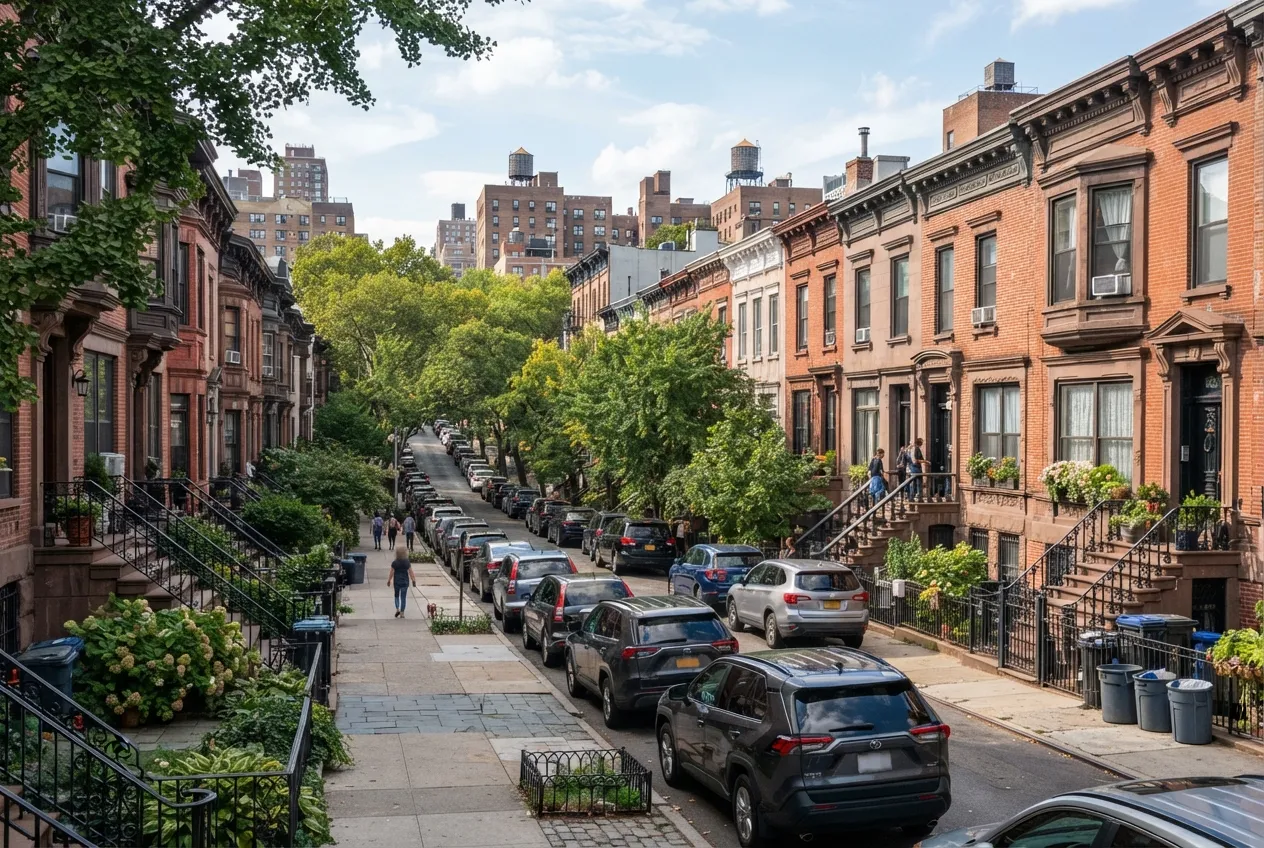
Prospect Heights is about 2 miles east of our Brooklyn office, so it's one of the neighborhoods we visit most often. Homes here range from brownstones and rowhouses with original fireplaces to pre-war apartment buildings heated by a central boiler. Each setup puts different demands on a chimney. Many of the problems that matter most, such as cracked flue tiles, a deteriorating liner or a blocked vent, can't be seen from the living room or the street. A chimney inspection from our certified technicians tells you what condition your system is in and what, if anything, needs attention before you light a fire or turn on the heat.
How Often Prospect Heights Homes Should Be Inspected
The NFPA 211 standard calls for chimneys, fireplaces and vents to be inspected once a year. That applies whether you burn wood in a parlor-floor fireplace a few nights each winter or rely on a gas boiler that runs for months.
Timing matters in New York City. The city's heat season runs from October 1 through May 31, and building owners must keep apartments at the city's minimum temperatures throughout. If you own a multifamily building, an inspection in late summer or early fall leaves time to handle repairs before tenants need heat. Homeowners with fireplaces benefit from the same timing, because a problem is easier to fix in September than in January.
Which Inspection Level You Need
Chimney professionals use three inspection levels. We'll recommend the one that fits your situation and explain why.
- Level 1: For a system that hasn't changed since its last inspection. We check the accessible parts of the chimney, fireplace and appliance connections, and look for obstructions and combustible deposits.
- Level 2: When something has changed, such as a new boiler or furnace or a switch from oil to gas, or when the home is being sold. This is a more thorough look at the system, often including a camera inspection of the flue.
- Level 3: When a hidden hazard is suspected and the only way to reach it is by opening part of the chimney or the building. We recommend this only when other findings point to a problem that can't be evaluated any other way.
What We Check in Brownstones and Rowhouses
Older masonry homes in Prospect Heights often have several flues in one chimney stack. Some serve fireplaces, some were built for heating systems that no longer exist, and one likely vents today's boiler or water heater. Rowhouses may also share chimney walls with neighbors. That makes it important to confirm which flue serves which appliance and that each one is sound.
If a fireplace has been sealed or unused for years, we'll tell you what it would take to use it safely again.
- Flue liners, checked for cracks, gaps, missing sections or corrosion
- Creosote and soot buildup in fireplace flues
- Dampers, smoke chambers and firebox masonry
- Chimney crowns, caps and mortar joints on the roof
- Flashing where the chimney meets the roof, a common source of leaks
- Animal nests, debris and other blockages
- Connections from boilers and water heaters into the chimney
Oil-to-Gas Conversions in Pre-War Buildings
Many pre-war apartment buildings and some rowhouses in the neighborhood have converted from oil heat to gas, or plan to. When a New York City building converts its boiler from oil to gas, the chimney has to be evaluated as part of the work.
A new liner is often needed. Gas exhaust produces acidic condensate that can corrode a masonry flue that worked fine for oil. We inspect the existing flue, document its condition, and explain whether relining is likely to be needed so you can plan the conversion with your heating contractor.
What to Expect on Inspection Day
A technician will look over the appliances and fireplaces connected to the chimney first, then check the roof and the flue. We protect floors and furnishings near the fireplace while we work. In apartment buildings, we coordinate roof and boiler-room access with the owner or superintendent.
Afterward, you'll get a written report with photos describing what we found, what's working, and what needs attention. We separate urgent safety issues from items that can wait, so you can decide on next steps without pressure.
Serving Prospect Heights and Nearby Brooklyn Neighborhoods
Prospect Heights is close to our office, so scheduling a visit is usually simple. We also inspect chimneys in Park Slope, Fort Greene, Downtown Brooklyn, DUMBO and Boerum Hill, where many homes share the same mix of brownstones, rowhouses and pre-war buildings.
More services in Prospect Heights
- Chimney Sweep in Prospect HeightsLocal service & repairs
- Chimney Repair in Prospect HeightsLocal service & repairs
- Air Duct Cleaning in Prospect HeightsLocal service & repairs
- Chimney Liner Installation in Prospect HeightsLocal service & repairs