
The short answer
Gowanus homes often need a new chimney liner because older clay tile or unlined masonry flues crack and wear out over time, and because oil-to-gas boiler conversions in New York City often call for a new liner. We inspect the chimney first, recommend the liner type that matches your appliance, and install it from the roof down.
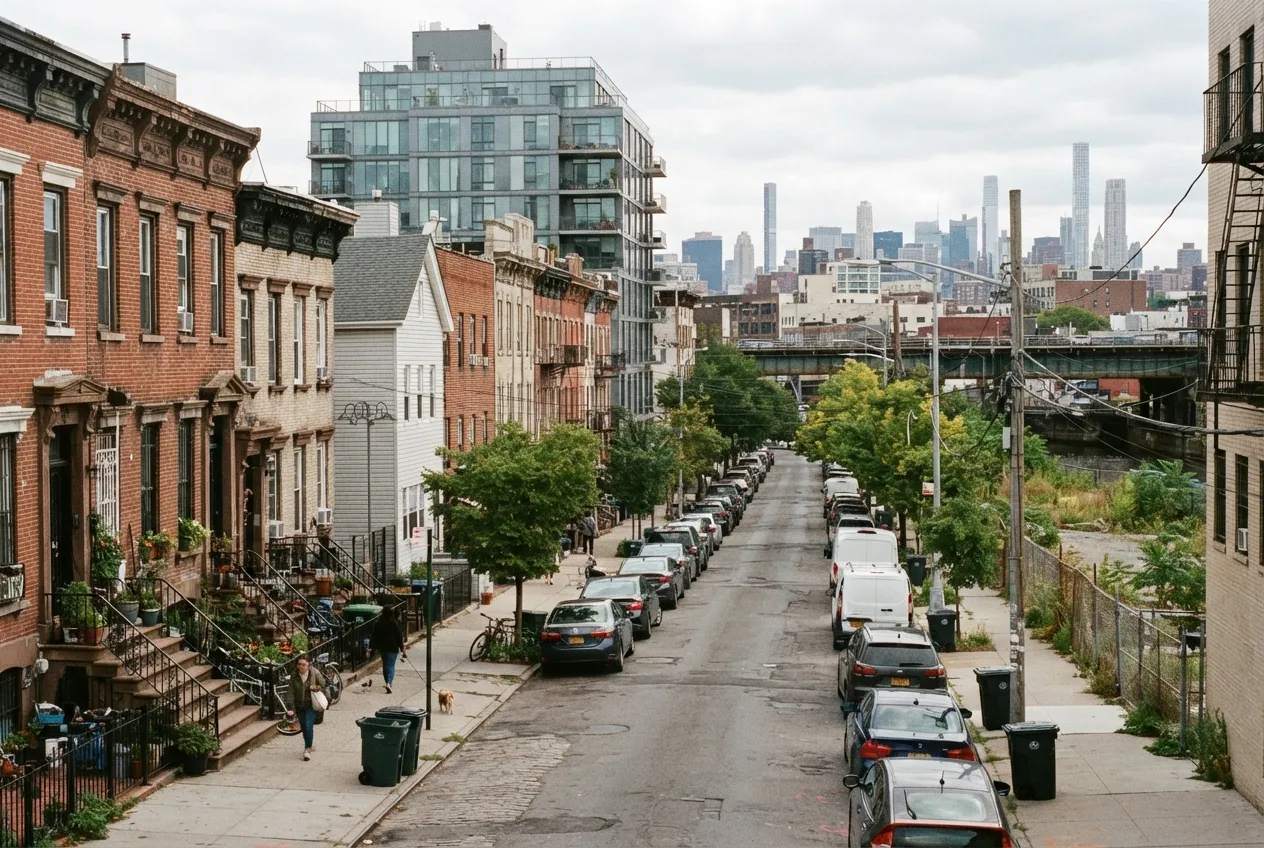
A chimney liner is the protective channel inside your flue that carries smoke and exhaust gases up and out of the house. Many brownstones, rowhouses and pre-war apartment buildings in Gowanus were built with clay tile flues, or with no liner at all. Decades of heat, settling and changes in fuel take a toll on that masonry. NorthStar Chimney Services works from our office at 373 Columbia St, right in the 11231 ZIP code. We also serve nearby Carroll Gardens, Cobble Hill, Red Hook, Park Slope and Brooklyn Heights. Our certified technicians inspect your chimney, size the liner to your heating appliance or fireplace, and install it so exhaust has a sound path out of your home.
Why Older Gowanus Chimneys Often Need a New Liner
In older masonry chimneys, clay flue tiles can crack and mortar joints can wear away. Those gaps let heat, creosote and exhaust gases reach the surrounding brick and, in some cases, the wood framing nearby. In attached rowhouses and brownstones, chimneys often run inside shared walls, so a failing flue can affect more than one household.
Fuel conversions are another common reason. When a New York City building converts its boiler from oil to gas, the chimney has to be evaluated as part of the work. A new liner is often needed because gas exhaust produces acidic condensate that can corrode a masonry flue. Many multi-family buildings in the area have gone through this switch or are planning it.
- Pieces of tile, mortar or brick falling into the firebox or the boiler cleanout
- Visible cracks or open joints in the flue during an inspection
- Damp spots, staining or a crumbling chimney exterior
- Smoke or odors coming into the house when the fireplace or heater runs
- A recent or planned switch from oil to gas, or a new boiler or water heater
Inspection Comes Before Any Liner Work
We don't recommend a liner until we know what's inside your chimney. The NFPA 211 standard calls for chimneys, fireplaces and vents to be inspected once a year. Chimney professionals use three inspection levels. Level 1 is for a system where nothing has changed. Level 2 applies when the system changes, such as a new appliance or a switch of fuel, or when the home is sold. Level 3 is for cases where a hidden hazard has to be reached by opening part of the chimney or the building.
Most liner projects start with a Level 2 inspection, which includes a camera look down the full length of the flue. That shows us the size and shape of the flue, any offsets or bends, and the condition of the masonry. With that information we can explain the options that fit your appliance and your chimney.
- Stainless steel liners, used for gas, oil and wood-burning appliances depending on the grade and design
- Cast-in-place liners, which form a new insulated flue inside the existing masonry and can help with chimneys that have bends or deteriorated walls
- Clay tile replacement, usually practical only when a chimney is being partly or fully rebuilt
What Liner Installation Looks Like
The liner has to be sized to the appliance it serves. A flue that is too large or too small for a boiler, furnace or fireplace can lead to poor draft and condensation. We base the size on the appliance's requirements and the chimney's height. When the job calls for it, we add insulation so the exhaust stays warm enough to draft properly.
In attached homes and apartment buildings, roof access and working around neighboring chimneys take planning. We protect floors and furniture near the fireplace or boiler room and keep soot and debris contained.
- Sweep the flue and remove loose or broken tile
- Confirm measurements and the route the liner will take
- Lower the liner from the roof and connect it to the appliance or fireplace
- Seal the top and install a cap to keep out rain, debris and animals
- Run a final camera check and test the draft with the appliance operating
Planning Around New York City's Heat Season
New York City's heat season runs from October 1 through May 31. During those months, building owners must keep apartments heated to the city's minimum temperatures. If your building's boiler shares a chimney that needs a liner, the timing matters.
Late spring and summer give the most flexibility for boiler-flue work in multi-family buildings. If a problem shows up during heat season, we work with owners to plan the job and reduce the time the heating system is out of service. For single-family brownstones and rowhouses, fireplace liners can be scheduled whenever the fireplace isn't in use.
Keeping a New Liner in Good Shape
A new liner still needs care. Following NFPA 211, we recommend a yearly inspection so small issues like a loose cap, a damaged connection or soot buildup are caught early. Wood-burning fireplaces also need regular sweeping to remove creosote. If you change appliances or fuel again later, schedule another inspection so we can confirm the liner still matches the new equipment.
More services in Gowanus
- Chimney Sweep in GowanusLocal service & repairs
- Chimney Inspection in GowanusLocal service & repairs
- Chimney Repair in GowanusLocal service & repairs
- Air Duct Cleaning in GowanusLocal service & repairs