
The short answer
The NFPA 211 standard calls for chimneys, fireplaces and vents to be inspected once a year, and that includes the older masonry chimneys common in Gowanus rowhouses and brownstones. NorthStar's certified technicians, based in Gowanus, perform Level 1, 2 and 3 inspections and explain the results in plain terms.
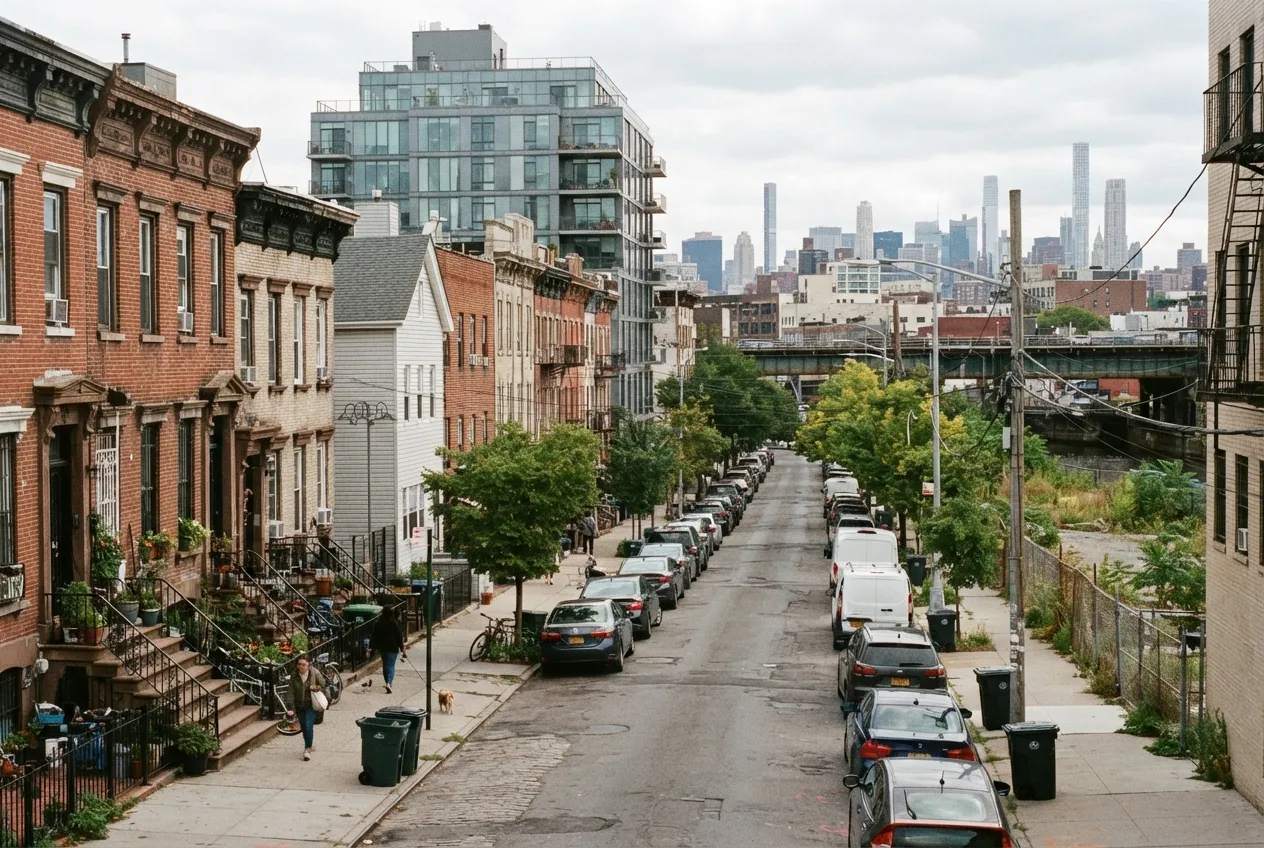
Many homes in Gowanus are older brick rowhouses, brownstones and pre-war apartment buildings, often with masonry chimneys that have served several generations of heating equipment. Others are newer buildings with factory-built fireplaces or metal vents. A chimney inspection tells you whether your flue can safely carry smoke and exhaust out of the house. NorthStar Chimney Services is based in Gowanus, with our office at 373 Columbia St. Our certified technicians inspect chimneys, fireplaces and heating vents for homeowners throughout the neighborhood and the 11231 ZIP code.
Why Gowanus Chimneys Need a Yearly Look
The NFPA 211 standard calls for chimneys, fireplaces and vents to be inspected once a year. That applies whether you burn wood every weekend, light a fire a few times a winter, or only use the chimney to vent a boiler or water heater. Exhaust from any fuel leaves deposits, and masonry wears down over time even when nobody is looking at it.
Older attached homes add a few complications. Rowhouses and brownstones often have several flues running through one chimney stack. Past owners may have closed off, relined or repurposed some of those flues. A fireplace that was decorative for decades may not be ready for a fire. An inspection sorts out which flue serves which appliance and whether each one is in usable condition.
Choosing the Right Inspection Level
Chimney professionals use three inspection levels. We recommend the one that fits your situation and explain why before any work starts.
- Level 1: for a system that hasn't changed since its last inspection. We examine the readily accessible parts of the chimney, fireplace and appliance connections.
- Level 2: when something changes, such as a new boiler, furnace or stove, or a switch from one fuel to another. It also applies when the home is being sold. This is a more thorough look, usually including a camera run through the flue.
- Level 3: when a hidden hazard has to be reached by opening part of the chimney or building, such as removing a section of wall. We only recommend this when earlier findings point to it.
What We Check
An inspection is a careful look at the whole venting system, not just a glance up the flue. Depending on the level, we check:
Afterward we walk you through what we found, show you photos where we have them, and give you a written summary. If something needs repair, we explain what it is and how urgent it is, so you can decide on next steps.
- Creosote and soot buildup inside the flue and smoke chamber
- Cracks, gaps or missing mortar in the flue liner
- The damper, firebox, smoke shelf and hearth
- Connector pipes from boilers, furnaces and water heaters
- Signs of water entry, such as staining, crumbling brick or rust
- The crown, cap and flashing where the chimney meets the roof
- Blockages from debris, nests or loose masonry
Oil-to-Gas Conversions and Boiler Flues
Many older Brooklyn buildings once heated with oil. When a New York City building converts its boiler from oil to gas, the chimney has to be evaluated as part of the work. A new liner is often needed. Gas exhaust produces acidic condensate that can corrode a masonry flue, even one that worked fine for oil.
If you are planning a conversion, you can schedule a Level 2 inspection to learn the liner's condition and whether it suits the new equipment. The same applies if you recently finished a conversion and aren't sure the flue was checked.
Timing Your Inspection Around Heat Season
New York City's heat season runs from October 1 through May 31. During that period, building owners must keep apartments heated to the city's minimum temperatures. If you own a multi-unit rowhouse or small apartment building, you can't afford to have the boiler chimney out of service in midwinter.
Late spring through early fall is the easiest time to inspect. The heating system can be shut down without inconvenience, and any repairs can be finished before the weather turns. If you're already into the season and something seems off, don't wait for spring. Warning signs include smoke backing up, a strong odor, or debris falling into the firebox.
Serving Gowanus and Nearby Neighborhoods
Our office is in Gowanus, so we're close to homes across the neighborhood. We also serve nearby Carroll Gardens, Cobble Hill, Red Hook, Park Slope and Brooklyn Heights. You may own a single-family brownstone, a multi-family rowhouse or a unit in a pre-war building with its own fireplace. In each case, we schedule an inspection that fits the way your home is heated.
More services in Gowanus
- Chimney Sweep in GowanusLocal service & repairs
- Chimney Repair in GowanusLocal service & repairs
- Air Duct Cleaning in GowanusLocal service & repairs
- Chimney Liner Installation in GowanusLocal service & repairs