
The short answer
A chimney liner protects the masonry and carries exhaust safely out of the building. In the Financial District, a new liner is most often needed when a boiler converts from oil to gas or when an inspection finds a cracked or unlined flue. NorthStar inspects the chimney first, then installs a liner sized to the appliance it serves.
In the Financial District, chimney liner work usually starts with a change in the building. A boiler moves from oil to gas, a new water heater is installed, or a fireplace that sat unused for years is going to be used again. Each of these changes affects the flue, the passage inside the chimney that carries exhaust out of the building. NorthStar Chimney Services installs and replaces chimney liners for homes and residential buildings across the neighborhood. Our certified technicians inspect the flue first, size the liner to the appliance it will serve, and explain what they found before any work begins.
Why Liners Matter in Financial District Buildings
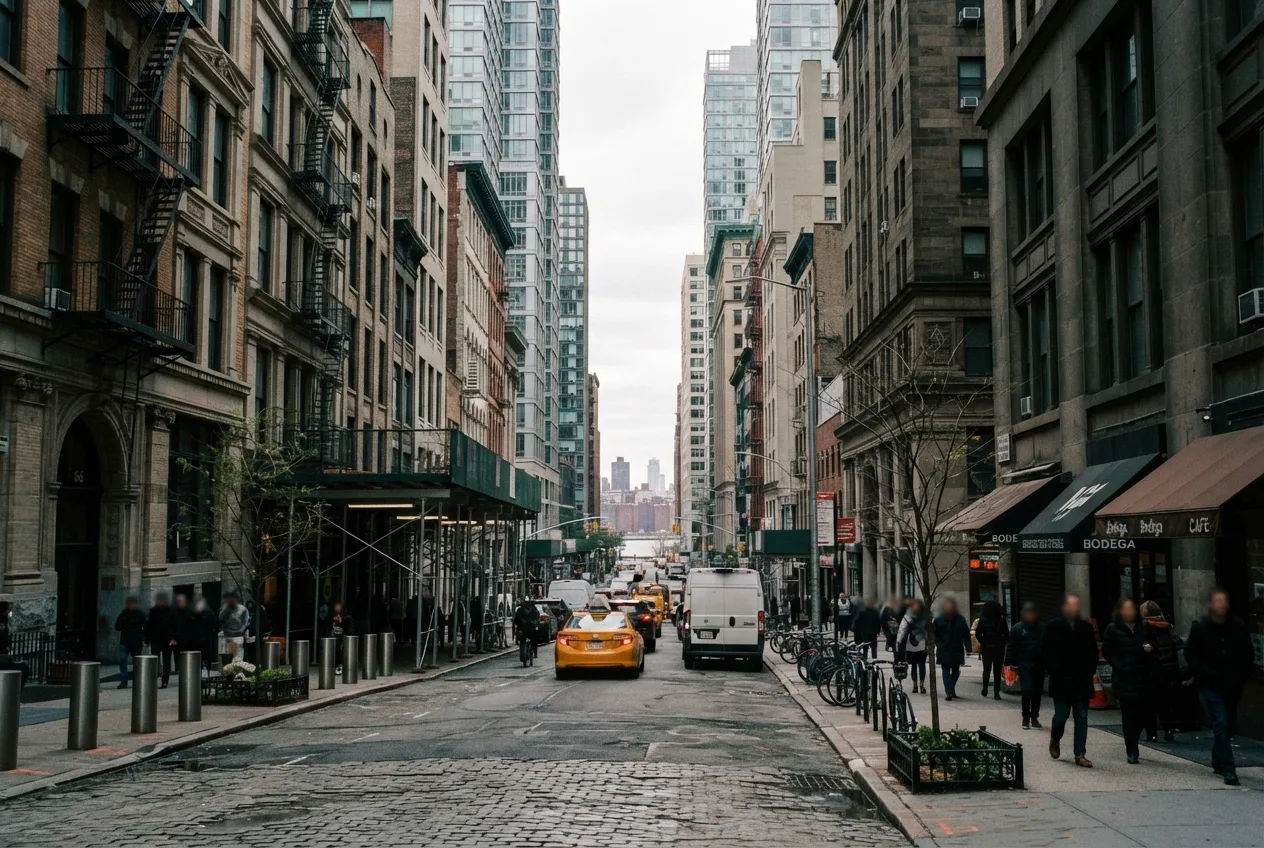
Homes in the Financial District are mostly pre-war apartment buildings, older low-rise and mixed-use buildings, and office buildings converted to residences. Many of these buildings have tall masonry chimneys that were built for coal or oil heat. Some flues are lined with clay tile and some have no lining at all. Over decades, tiles crack, mortar joints wear away, and heat and moisture work into the brick.
A damaged or missing liner can let exhaust, including carbon monoxide, leak into the building. It can also let heat reach nearby wood framing and let moisture break down the masonry from the inside. A properly sized liner seals the flue and helps the appliance draft the way it was designed to.
Oil-to-Gas Conversions and Your Chimney
When a New York City building converts its boiler from oil to gas, the chimney has to be evaluated as part of the work. A new liner is often needed. Gas exhaust produces acidic condensate, and that moisture can corrode a masonry flue that handled oil without trouble.
The flue also needs to be the right size for the new equipment. Modern gas boilers and water heaters often produce less exhaust than the oil burners they replace. A flue that is too large for the new appliance can draft poorly and cool the exhaust enough for condensation to form. We measure the flue and match the liner to the new appliance so it vents the way it should.
How We Evaluate a Chimney Before Lining It
The NFPA 211 standard calls for chimneys, fireplaces and vents to be inspected once a year. It describes three inspection levels. A Level 2 inspection applies when the system changes, for example a new appliance or a switch of fuel, or when the home is sold. A Level 3 inspection applies when a hidden hazard has to be reached by opening part of the chimney or the building. Most liner jobs begin with a Level 2 inspection that includes a camera run through the flue.
- Condition of the existing tile or masonry, including cracks, gaps and missing mortar
- Flue size and height compared with the appliance it serves
- Offsets, bends and obstructions that affect how a liner can be installed
- Signs of condensation, corrosion or water entry at the crown and cap
- Connections between the appliance, the thimble and the chimney
Liner Options We Install
For most gas and oil appliances, we install stainless steel liners. Rigid sections suit straight flues, and flexible liners can follow the offsets common in older chimneys. Each liner is sized to the appliance, connected at the base, and finished with a cap at the top to keep out rain and debris.
Fireplaces that will burn wood again need a liner built for higher temperatures and sized for the fireplace opening. If a building's chimney serves more than one appliance, we review how each one vents and recommend a setup that keeps the exhaust from each appliance moving safely.
Scheduling Around Heat Season and Building Access
New York City's heat season runs from October 1 through May 31. During that period, building owners must keep apartments heated to the city's minimum temperatures. If your building is planning a boiler conversion, it helps to schedule the chimney evaluation and liner work for late spring or summer, so the heating system is ready before October.
Work in Financial District buildings often requires roof access, elevator reservations and coordination with a superintendent or building manager. We plan these details with you ahead of time so the job runs on schedule and residents know what to expect.
Areas We Serve Near the Financial District
Our office in Brooklyn is about 2 miles south of the Financial District, so we can reach buildings in ZIP codes 10005, 10006, 10038, 10271, 10280 and 10282 easily. We also serve homeowners and buildings in Brooklyn Heights, Downtown Brooklyn, DUMBO, Boerum Hill and Carroll Gardens.
More services in Financial District
- Chimney Sweep in Financial DistrictLocal service & repairs
- Chimney Inspection in Financial DistrictLocal service & repairs
- Chimney Repair in Financial DistrictLocal service & repairs
- Air Duct Cleaning in Financial DistrictLocal service & repairs