
The short answer
Chimneys in Downtown Brooklyn should be inspected once a year, as the NFPA 211 standard calls for, ideally before the city's heat season starts on October 1. NorthStar's certified technicians perform Level 1, 2 and 3 inspections for brownstones, rowhouses and pre-war apartment buildings in 11201 and nearby neighborhoods.
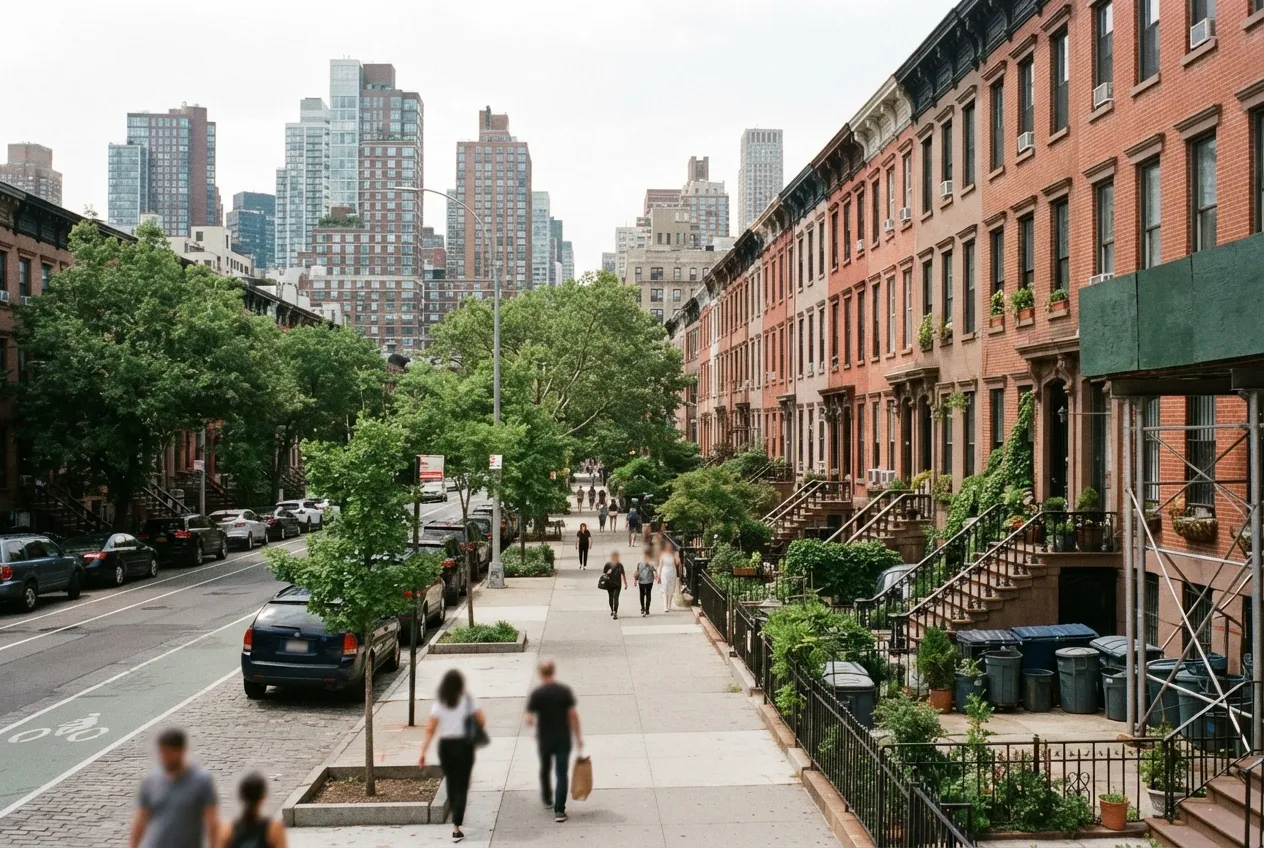
Downtown Brooklyn mixes pre-war apartment buildings, brownstones and rowhouses with newer construction. Many of the older buildings still vent a boiler, water heater or fireplace through a masonry chimney that has seen decades of use. NorthStar Chimney Services inspects chimneys, fireplaces and vents for homeowners and building owners in the 11201 ZIP code, about 2 miles from our Brooklyn office. An inspection tells you whether your flue is safe to use, what condition the masonry and liner are in, and whether anything needs attention before you light a fire or the boiler starts running for the season.
Why a Yearly Inspection Makes Sense in Downtown Brooklyn
The NFPA 211 standard calls for chimneys, fireplaces and vents to be inspected once a year. That applies whether you burn wood a few nights each winter or your building's boiler sends exhaust up the flue every day.
Timing matters in New York City. The city's heat season runs from October 1 through May 31, and during those months building owners must keep apartments heated to the city's minimum temperatures. If an inspection finds a blocked or damaged flue in January, repairs can mean taking the heating system offline when residents need it most. An inspection in late summer or early fall gives you time to fix problems before the boiler is working hard.
Choosing the Right Inspection Level
Chimney professionals use three levels of inspection. The right one depends on what has changed with your home or heating system, not simply on how old the building is.
If you're buying or selling a brownstone or an apartment with a working fireplace, ask for a Level 2 inspection so the report reflects the chimney's actual condition.
- Level 1: For a chimney in regular use where nothing has changed. We examine the readily accessible parts of the chimney and the appliance or fireplace connection, and confirm the flue is clear.
- Level 2: When the system changes, such as a new boiler, a fireplace insert or a switch from one fuel to another, or when the home is being sold. This adds a closer look at accessible areas such as the attic and basement, and usually a camera inspection of the flue's interior.
- Level 3: When a hidden hazard has to be reached by opening part of the chimney or building, for example after a Level 2 inspection points to damage behind a wall or inside a chase.
Oil-to-Gas Conversions and Flue Liners
Many older buildings in the area were built to burn oil. When a New York City building converts its boiler from oil to gas, the chimney has to be evaluated as part of the work. A new liner is often needed, because gas exhaust produces acidic condensate that can corrode a masonry flue from the inside.
We inspect the existing flue, note its size and condition, and explain whether it can safely carry the new appliance's exhaust or needs a liner. That gives you and your heating contractor clear information before the conversion moves forward.
What We Look For During an Inspection
Every inspection ends with a plain-language explanation of what we found, with photos where they help. Common items we check include:
When we find a problem, we explain which issues affect safety right away and which can be planned for later, so you can make decisions without guesswork.
- Creosote and soot buildup inside wood-burning flues
- Cracked, missing or deteriorated flue tiles and liners
- Mortar joints, bricks and the crown at the top of the chimney
- Chimney caps, flashing and signs of water getting in
- Blockages from debris, nests or fallen masonry
- Dampers, smoke chambers and firebox condition
- Connections between the flue and boilers, furnaces or water heaters
Serving Downtown Brooklyn and Nearby Neighborhoods
Our certified technicians work throughout 11201 and in the surrounding neighborhoods, including DUMBO, Boerum Hill, Brooklyn Heights, Fort Greene and Carroll Gardens. We're used to rooftop access on multi-story buildings, narrow rowhouse flues and fireplaces that have been closed off for years.
If a previous owner sealed a fireplace, or you're not sure whether a chimney still serves anything, an inspection is the place to start. We'll tell you what the flue is doing now and what it would take to use it safely.
More services in Downtown Brooklyn
- Chimney Sweep in Downtown BrooklynLocal service & repairs
- Chimney Repair in Downtown BrooklynLocal service & repairs
- Air Duct Cleaning in Downtown BrooklynLocal service & repairs
- Chimney Liner Installation in Downtown BrooklynLocal service & repairs