
The short answer
A chimney sweep in Boerum Hill removes soot, creosote and debris from your flue and checks the chimney for damage, blockages and liner problems. The NFPA 211 standard calls for a yearly inspection, and sweeping is usually done at the same visit. Older rowhouse chimneys and recent oil-to-gas boiler conversions are common reasons to schedule one.
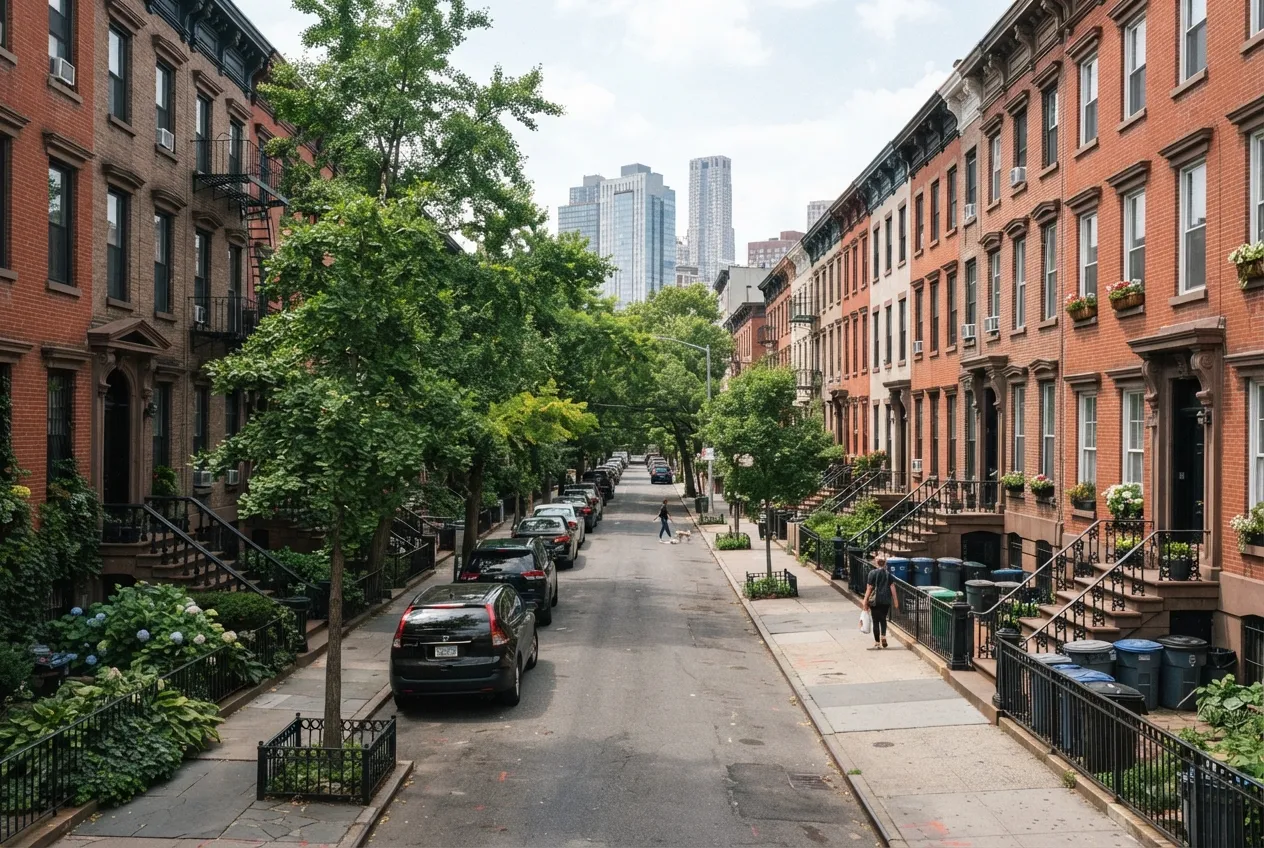
Boerum Hill's brownstones, rowhouses and pre-war apartment buildings often have chimneys that have served several kinds of fuel over the years. Some still vent working wood-burning fireplaces. Others carry exhaust from a gas boiler, or sit sealed behind a decorative mantel. NorthStar Chimney Services sweeps and inspects chimneys throughout Boerum Hill and ZIP code 11201, about 2 miles northeast of our Brooklyn office. Our certified technicians clean the flue, check its condition and explain in plain terms what they found, so you know whether your chimney is ready for the next fire or the next heating season.
What a Chimney Sweep Covers in a Boerum Hill Home
A sweep is more than running a brush up the flue. In a brownstone or rowhouse, the chimney often runs several stories through shared masonry, and problems can sit well above the firebox where you can't see them. We protect your floors and furnishings, then clean the flue and look at the full system from the hearth to the top of the stack.
If you use your fireplace regularly, creosote builds up on the flue walls. That residue is flammable, and removing it is the main job of a sweep. If you rarely burn wood, the bigger concerns tend to be nesting animals, fallen masonry and debris that has collected over time.
- Removal of soot, creosote and loose debris from the firebox, smoke chamber and flue
- Check of the damper, smoke shelf and firebox masonry
- Look for cracked flue tiles, gaps in mortar and signs of water entry
- Check for nests, leaves and other blockages
- A plain explanation of what we found and what, if anything, needs attention
Older Rowhouse and Brownstone Chimneys
Many chimneys in Boerum Hill's older homes were built for an earlier era of heating. Over time, fireplaces have been closed off, reopened, converted to gas logs or left as decoration. A fireplace that looks ready to use may have a deteriorated flue, a missing damper or a liner that no longer fits the way the chimney is used.
Rowhouses add another layer, since chimneys often share walls with the house next door. Before you light a fire in a fireplace that hasn't been used in years, have it swept and inspected. We'll tell you whether it's safe to use as it is, or what has to be addressed first.
Inspection Levels and Yearly Service
The NFPA 211 standard calls for chimneys, fireplaces and vents to be inspected once a year. Chimney professionals use three inspection levels. A Level 1 inspection fits when nothing about the system has changed. A Level 2 inspection applies when the system changes, such as a new appliance or a switch of fuel, or when the home is sold. A Level 3 inspection is used when a hidden hazard has to be reached by opening part of the chimney or building.
For most Boerum Hill homeowners who use the same fireplace or boiler year after year, an annual sweep with a Level 1 inspection is the routine. If you're buying or selling a brownstone, or you've changed how the chimney is used, a Level 2 inspection is the better fit.
Boiler Flues and Oil-to-Gas Conversions
Chimneys in pre-war apartment buildings and many rowhouses do double duty as boiler flues. When a New York City building converts its boiler from oil to gas, the chimney has to be evaluated as part of the work. A new liner is often needed, because gas exhaust produces acidic condensate that can corrode a masonry flue.
If your building has converted, or is planning to, we can sweep the flue and check whether the existing liner suits the new equipment. Catching corrosion or a poorly sized flue early helps keep exhaust moving safely out of the building.
Timing Your Sweep Around Heat Season
New York City's heat season runs from October 1 through May 31, when building owners must keep apartments heated to the city's minimum temperatures. For buildings that depend on a boiler venting through a masonry chimney, it makes sense to have the flue swept and checked before October, so any repair can be done before the heat has to stay on.
For wood-burning fireplaces, late summer and early fall are good times to schedule. If you've already started burning this season, it isn't too late. A sweep partway through winter is better than none, especially if you notice smoke backing into the room or a strong odor from the fireplace.
More services in Boerum Hill
- Chimney Inspection in Boerum HillLocal service & repairs
- Chimney Repair in Boerum HillLocal service & repairs
- Air Duct Cleaning in Boerum HillLocal service & repairs
- Chimney Liner Installation in Boerum HillLocal service & repairs