
The short answer
A chimney liner protects your masonry flue from heat and corrosive exhaust, and many older Boerum Hill brownstones and rowhouses need one, especially after an oil-to-gas boiler conversion. NorthStar's certified technicians inspect the flue, size a liner to your appliance, install it, and confirm it drafts correctly.
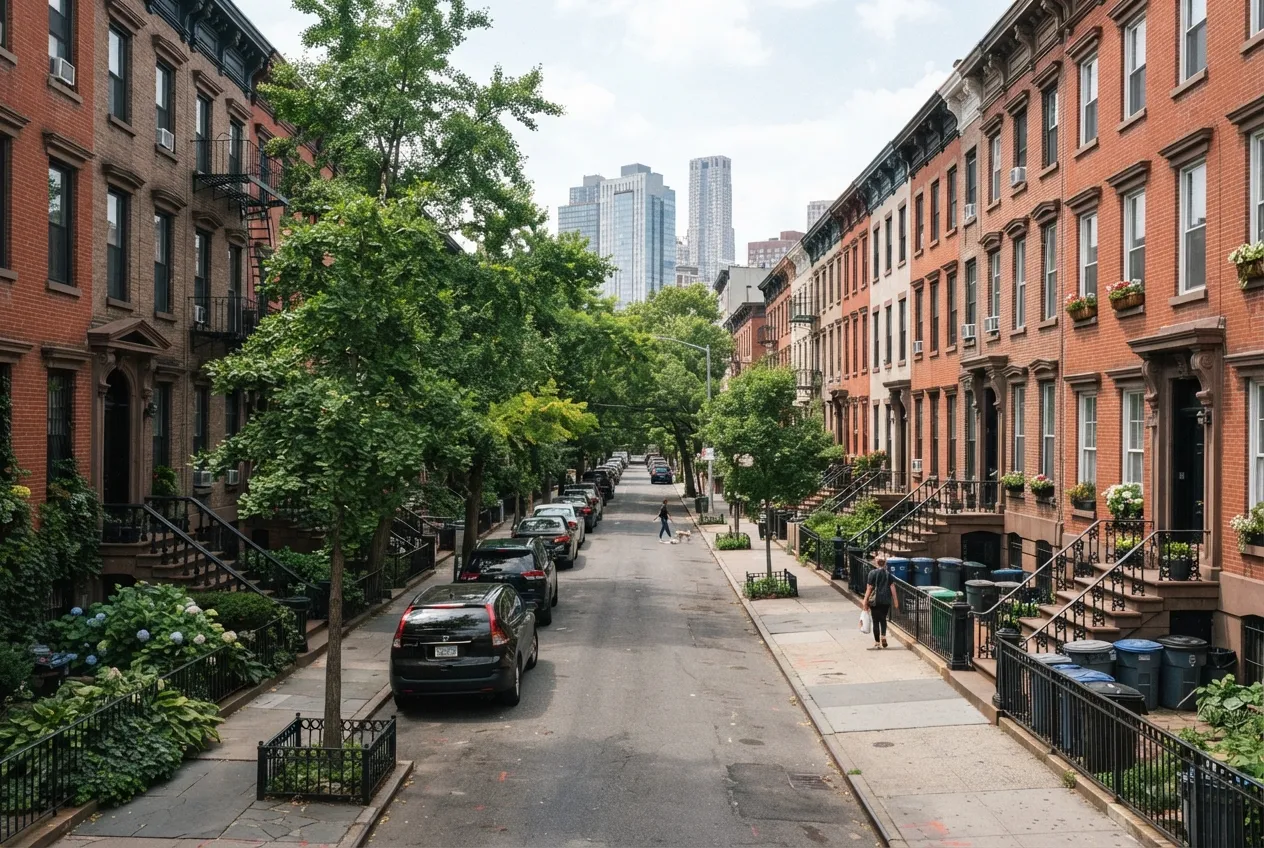
Many homes in Boerum Hill were built long before today's boilers, furnaces and water heaters. Brownstones, brick rowhouses and pre-war apartment buildings often have masonry chimneys with old clay tile liners, or with no liner at all. A sound liner keeps hot exhaust and corrosive byproducts away from the brick, helps the appliance draft properly, and lowers the risk of heat or gases reaching the wood framing around the chimney. NorthStar Chimney Services installs chimney liners throughout the 11201 ZIP code. Our office is about 2 miles southwest of the neighborhood, so our certified technicians can get to Boerum Hill homes without a long trip across the borough.
Why Older Boerum Hill Chimneys Often Need a New Liner
The chimneys on many Boerum Hill brownstones and rowhouses have served several generations of heating equipment. Over that time, clay tiles can crack, joints between tiles can open up, and mortar inside the flue can wash out. Some older flues were never lined at all. You usually can't see these problems from the roof or the basement, but they matter. Gaps let heat and exhaust reach the brick and nearby framing, and loose debris can partly block the flue.
A new liner gives the exhaust a continuous, sealed path from the appliance to the top of the chimney. It also lets us match the flue size to the equipment you actually have now, rather than to whatever the chimney was built for a century ago.
Oil-to-Gas Conversions in Brooklyn Buildings
Converting a boiler from oil to gas is one of the most common reasons Boerum Hill owners call us about liners. When a New York City building makes this switch, the chimney has to be evaluated as part of the work. A new liner is often needed. Gas exhaust produces acidic condensate, and that moisture can corrode an unprotected masonry flue from the inside.
If you're planning a conversion, bring us in early. We can inspect the existing flue, tell your heating contractor what liner the new equipment will need, and schedule the installation so it fits the rest of the project.
How We Install a Chimney Liner
The NFPA 211 standard calls for a yearly inspection. It also calls for a more detailed Level 2 inspection when the system changes, such as a new appliance or a switch of fuel. That inspection is where every liner job starts. From there, the work follows a clear sequence:
- Inspect the flue with a camera and note cracks, gaps, blockages and the condition of the crown and cap
- Confirm the appliance type, fuel and venting requirements so the liner is sized correctly
- Clean the flue and clear any loose tile or debris
- Install a stainless steel liner suited to the fuel, and add insulation where the chimney calls for it
- Connect the liner to the appliance and seal the top with a proper cap
- Check that the system drafts correctly before we leave
Planning Around Heat Season
New York City's heat season runs from October 1 through May 31. During that period, building owners must keep apartments heated to the city's minimum temperatures. That matters if you own a multi-unit brownstone or a small pre-war building with tenants. A boiler that can't run safely because of a failed flue is a serious problem in January.
When you can, schedule liner work in the warmer months, or get the inspection done well before October. That leaves time to order materials and coordinate with your heating contractor. If a problem turns up mid-season, we'll explain your options plainly and work to get the system back in service safely.
Serving Boerum Hill and Nearby Neighborhoods
Along with Boerum Hill, we install chimney liners in Downtown Brooklyn, DUMBO, Brooklyn Heights, Fort Greene and Carroll Gardens. These neighborhoods share many of the same building types, including brownstones, rowhouses and pre-war apartment buildings, and their chimneys tend to have similar issues with aging clay tiles, unlined flues and equipment changes.
More services in Boerum Hill
- Chimney Sweep in Boerum HillLocal service & repairs
- Chimney Inspection in Boerum HillLocal service & repairs
- Chimney Repair in Boerum HillLocal service & repairs
- Air Duct Cleaning in Boerum HillLocal service & repairs