
The short answer
A chimney liner is a sealed channel inside your chimney that carries smoke and exhaust safely out of the house and protects the masonry from heat and corrosion. Red Hook homes most often need one after an oil-to-gas boiler conversion, when a new appliance is installed, or when an inspection finds a cracked or missing flue lining.
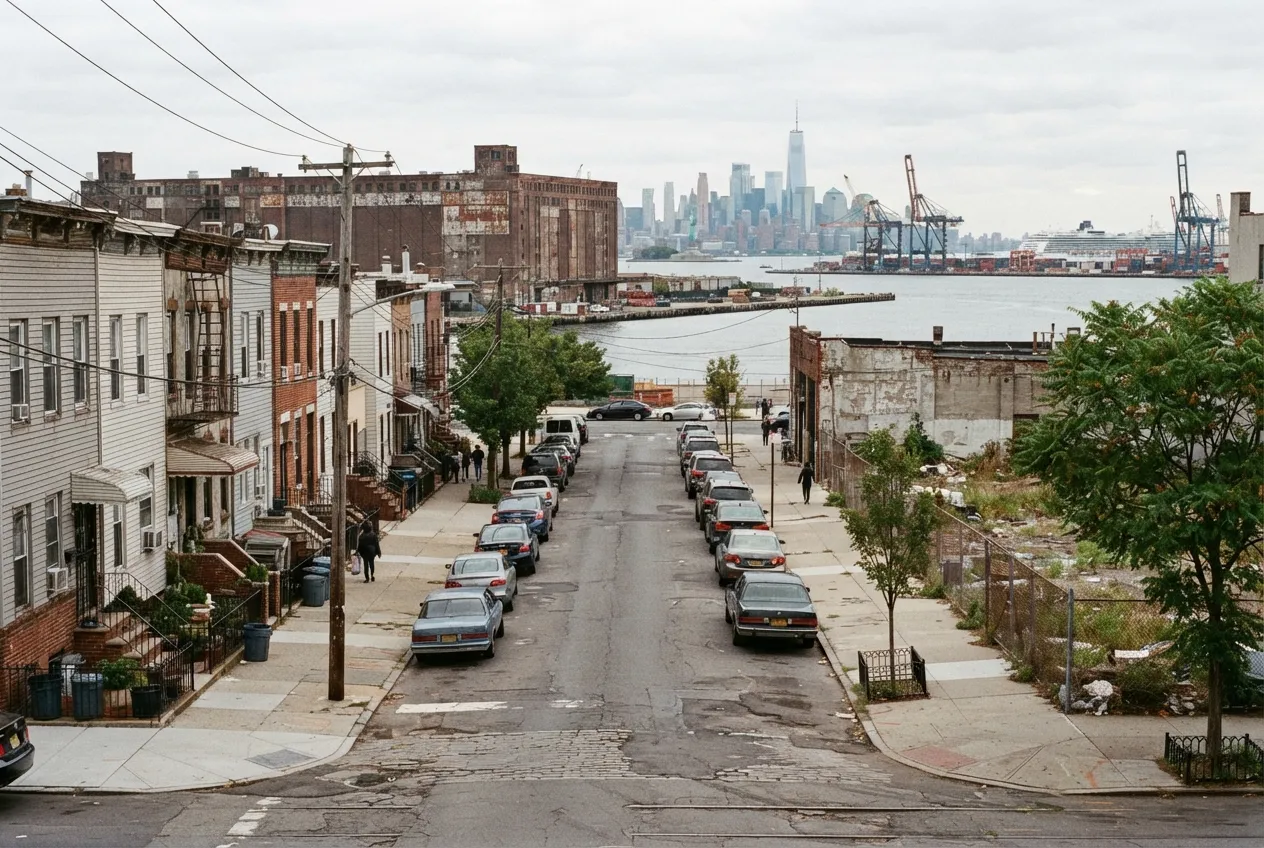
Many chimneys in Red Hook were built long before today's boilers, water heaters and fireplace inserts existed. A flue that worked for decades can become a problem once the appliance changes, the fuel changes, or the original clay tile and mortar wear out. NorthStar Chimney Services installs chimney liners for rowhouses, brownstones, pre-war apartment buildings and detached homes across Red Hook and nearby neighborhoods. Our office is right here on Columbia Street, so we work on local chimneys every week and know what the older masonry in this part of Brooklyn tends to look like once we get a camera inside.
Why Older Red Hook Chimneys Often Need a New Liner
Much of Red Hook's housing is older masonry construction, and the chimneys were built to match. Some flues were lined with clay tile that has since cracked or shifted. Others were never lined at all, so exhaust travels directly against brick and mortar. Over time, heat, moisture and combustion byproducts break down mortar joints and can let gases or heat reach parts of the building they shouldn't.
A properly sized liner gives exhaust a smooth, continuous path to the top of the chimney. That helps the appliance draft correctly, keeps carbon monoxide moving out of the home, and protects the brick from further damage.
Oil-to-Gas Conversions and New Appliances
When a New York City building converts its boiler from oil to gas, the chimney has to be evaluated as part of the job. A new liner is often needed because gas exhaust produces acidic condensate that can corrode a masonry flue. Many Red Hook owners first learn about liners during this kind of conversion.
The same goes for other changes. Under the NFPA 211 standard, a more detailed Level 2 inspection is appropriate when the system changes, such as a new appliance or a switch of fuel, and when a home is sold. If a hidden problem has to be reached by opening part of the chimney or building, that calls for a Level 3 inspection. We'll tell you which level fits your situation before any liner work begins.
Liner Options We Install
The right liner depends on what's venting into the chimney, the size and shape of the flue, and the condition of the masonry. Common options include:
- Flexible stainless steel liners, which can follow offsets and bends common in older rowhouse chimneys
- Rigid stainless steel liners for straight flue runs
- Insulated stainless liners where extra clearance protection or better draft is needed
- Cast-in-place liners, where a mortar-like material is formed inside the existing flue to seal gaps and add strength
What Liner Installation Involves
Our certified technicians follow a clear sequence so you know what's happening on your roof and inside your walls.
- Inspect the chimney with a camera and check the appliance connection
- Measure the flue and confirm the liner size matches the appliance's venting needs
- Clean the existing flue and remove debris or loose tile as needed
- Lower the liner from the roof and connect it to the appliance at the base
- Install a top plate and cap to keep out rain, debris and animals
- Test draft and walk you through what we did, with photos
Planning Around Heat Season
New York City's heat season runs from October 1 through May 31, and building owners must keep apartments heated to the city's minimum temperatures during that time. If you own a multi-family building in Red Hook, a boiler that's shut down for chimney work can leave tenants without heat.
When possible, schedule liner installation in late spring or summer. If an inspection during the winter turns up a problem, we'll explain your options and work to keep downtime as short as we safely can.
Serving Red Hook and Nearby Neighborhoods
Our office is at 373 Columbia St in Red Hook, ZIP code 11231. Along with Red Hook, we install chimney liners in Carroll Gardens, Cobble Hill, Gowanus, Park Slope and Brooklyn Heights, where homeowners deal with many of the same older brick chimneys and boiler upgrades.
More services in Red Hook
- Chimney Sweep in Red HookLocal service & repairs
- Chimney Inspection in Red HookLocal service & repairs
- Chimney Repair in Red HookLocal service & repairs
- Air Duct Cleaning in Red HookLocal service & repairs