
The short answer
Chimneys in Red Hook should be inspected once a year, as the NFPA 211 standard calls for, whether they serve a fireplace or a boiler. A more detailed Level 2 inspection is needed when you change appliances or fuel or sell a home, and oil-to-gas conversions often require a new flue liner.
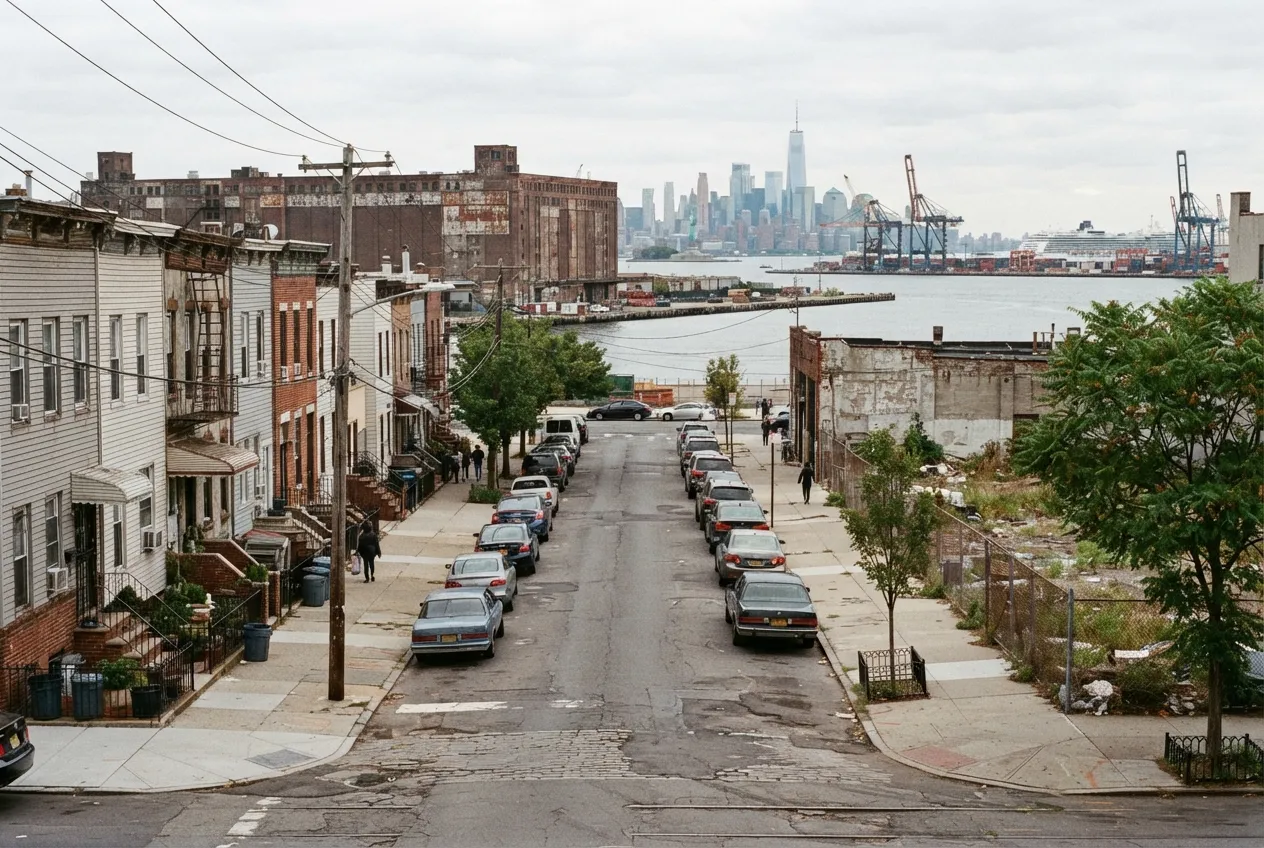
Our office is on Columbia Street in Red Hook, so chimney inspections here are close to home for us. Many homes in the neighborhood are older rowhouses, brick townhouses and pre-war apartment buildings, often with masonry chimneys that have served several generations of heating equipment. Some still have working fireplaces. Others vent a boiler, furnace or water heater. Whatever is connected to your chimney, a regular inspection tells you whether it is venting safely and what, if anything, needs attention before the next heating season.
How often a Red Hook chimney should be inspected
The NFPA 211 standard calls for chimneys, fireplaces and vents to be inspected once a year. That applies whether you burn wood a few nights each winter or rely on a gas boiler that runs every day from fall to spring. Chimneys that vent heating appliances often go unchecked because there is no fire to watch, yet they tend to work the hardest.
Older masonry near the waterfront also takes plenty of wind and wet weather. Mortar joints, crowns and flashing wear over time, and water that gets into a chimney can damage the flue and the walls around it. An annual inspection catches that wear while it is still a manageable repair.
Level 1, Level 2 or Level 3: which inspection you need
Chimney professionals use three inspection levels. The right one depends on what has changed in your home and heating system.
If you are buying or selling a brownstone or rowhouse in Red Hook, plan for a Level 2 inspection so everyone involved knows the chimney's condition before closing.
- Level 1: for a chimney in regular use when nothing about the system has changed. We examine the readily accessible parts of the chimney and the appliance or fireplace connection, and check for blockages and deposits.
- Level 2: when the system changes, such as a new boiler or stove or a switch of fuel, and when a home is sold. This goes further and typically includes a camera inspection of the flue interior.
- Level 3: when a hidden hazard is suspected and the only way to reach it is by opening part of the chimney or building.
Oil-to-gas conversions in Brooklyn buildings
Many older Brooklyn buildings were originally heated with oil. When a New York City building converts its boiler from oil to gas, the chimney has to be evaluated as part of the work. A new liner is often needed, because gas exhaust produces acidic condensate that can corrode a masonry flue.
If you own a house or multifamily building and are planning a conversion, schedule the chimney inspection early in the project. Knowing whether a liner is needed helps your heating contractor plan the job and keeps the conversion from stalling near the finish.
What we look at during an inspection
Every inspection is tailored to your chimney, but our certified technicians generally check the following:
Afterward, we explain what we found in plain terms, show you photos or camera footage when we have them, and tell you which items are urgent and which can wait.
- The chimney exterior: brickwork, mortar joints, crown, cap and flashing
- The flue liner, looking for cracks, gaps, missing sections or corrosion
- Creosote and soot buildup in wood-burning fireplaces
- Blockages from debris, loose masonry or animal nests
- The connection between your boiler, furnace or water heater and the chimney
- The firebox, damper and smoke chamber on fireplaces
- Signs of water entry inside the home near the chimney
Timing your inspection around heat season
New York City's heat season runs from October 1 through May 31, when building owners must keep apartments heated to the city's minimum temperatures. For landlords, a chimney problem discovered in January can leave a boiler unable to run safely during the months heat is required. Booking your inspection in late spring or summer gives you time to handle repairs before heat season begins.
Homeowners with fireplaces benefit from the same approach. An off-season inspection means your fireplace is ready on the first cold night instead of waiting on a repair.
Serving Red Hook and nearby neighborhoods
Because we are based in Red Hook (ZIP code 11231), we can usually reach homes here without a long trip. We also inspect chimneys in nearby Carroll Gardens, Cobble Hill, Gowanus, Park Slope and Brooklyn Heights, where you will find many of the same brownstones, rowhouses and pre-war buildings.
Whether you own a single brownstone or manage a small apartment building, the process is the same: we look carefully, explain clearly and leave the decision about next steps to you.
More services in Red Hook
- Chimney Sweep in Red HookLocal service & repairs
- Chimney Repair in Red HookLocal service & repairs
- Air Duct Cleaning in Red HookLocal service & repairs
- Chimney Liner Installation in Red HookLocal service & repairs