
The short answer
A chimney liner in a DUMBO building usually needs replacing when the old clay tile is damaged, when a new appliance is connected, or when the building converts from oil to gas. NorthStar inspects the flue first, then installs a liner sized for your appliance and fuel.
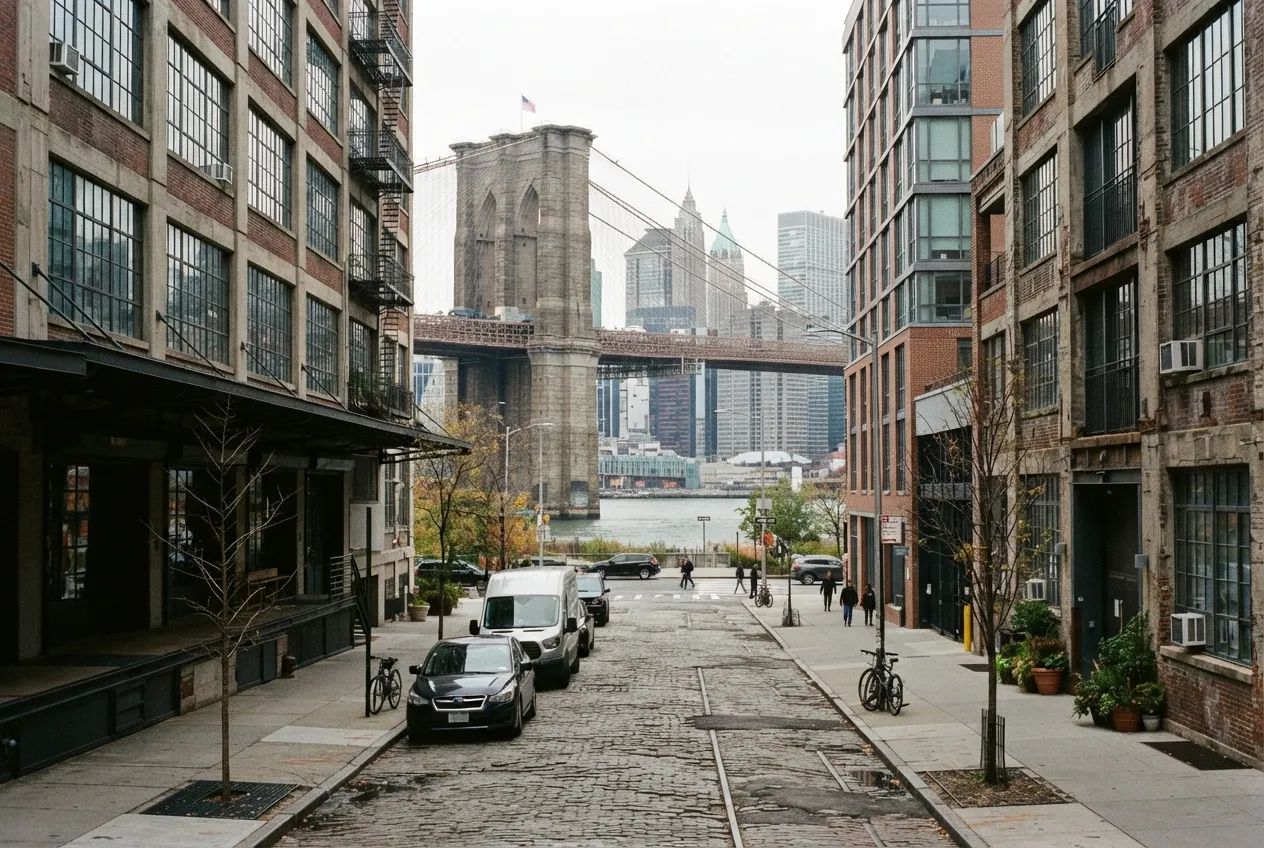
Many residential buildings in DUMBO are converted industrial lofts, pre-war apartment buildings and older rowhouses with masonry chimneys. Those chimneys were built long before today's boilers, water heaters and fireplace inserts. A chimney liner is the protective channel inside the masonry that carries exhaust safely out of the building. When the original clay tile is cracked or missing, or when the flue is the wrong size for the equipment now connected to it, a new liner is often the right fix. NorthStar Chimney Services installs chimney liners for homes and buildings in the 11201 ZIP code, about 2 miles northeast of our Brooklyn office.
Why the Liner Matters in DUMBO's Older Buildings
A liner does three jobs. It keeps heat away from the surrounding brick and wood framing. It contains carbon monoxide and other combustion gases so they leave the building instead of seeping through mortar joints. It also gives the flue the right size and shape for the appliance it serves, which helps the system draft properly.
Older masonry chimneys in the neighborhood's loft conversions, pre-war apartment buildings and rowhouses were often lined with clay tile, and some were never lined at all. Decades of heating, settling and freeze-thaw cycles can crack tiles and wear away mortar. Most owners only learn about liner problems when something changes, such as a renovation, a new appliance or a sale.
Oil-to-Gas Conversions and Your Chimney
When a New York City building converts its boiler from oil to gas, the chimney has to be evaluated as part of the work. A new liner is often needed because gas exhaust produces acidic condensate that can corrode a masonry flue. That moisture collects on the inside walls of the chimney, and over time it can break down tile, mortar and brick.
If your building is planning a conversion, bring us in early so the liner work can be scheduled alongside the boiler installation. We look at the existing flue and recommend a liner sized for the new equipment, so the chimney is ready when the new system goes in.
Signs Your Chimney May Need a New Liner
Liner damage is usually hidden inside the chimney, so it rarely shows up on its own. Watch for these signs:
- Pieces of clay tile or flakes of masonry in the firebox, cleanout or base of the chimney
- Water stains, white mineral deposits or damp spots on walls near the chimney
- Smoke or odors entering rooms when a fireplace or heating appliance is running
- A new boiler, water heater or fireplace insert being connected to an old flue
- A switch in fuel, such as from oil to gas
- An inspection report that notes cracks, gaps or deterioration in the flue
How We Install a Chimney Liner
Every liner job starts with an inspection. The NFPA 211 standard calls for chimneys, fireplaces and vents to be inspected once a year, and chimney professionals use three inspection levels. A Level 2 inspection is called for when the system changes, such as a new appliance or a switch of fuel, or when the home is sold. That covers most liner projects. If a hidden hazard has to be reached by opening part of the chimney or building, a Level 3 inspection is used.
Next, our certified technicians choose a liner material that matches the appliance and fuel. Stainless steel liners are a common choice for relining existing masonry chimneys that serve gas or oil equipment. We clean the flue, install the liner, connect it to the appliance and finish the top with a cap to help keep rain and debris out.
Before we leave, we walk you through what was done and what to watch for. Regular annual inspections after that help keep the new liner in good condition.
Scheduling Liner Work in DUMBO and Nearby
Lining a chimney in a dense neighborhood takes planning. Roof access in multi-story loft and apartment buildings may need to be coordinated with building management or a super, and the schedule often has to account for residents who depend on the heating system.
New York City's heat season runs from October 1 through May 31, when building owners must keep apartments heated to the city's minimum temperatures. Many owners prefer to schedule liner work outside that window, or to plan around a short, well-coordinated shutdown. Besides DUMBO, we also serve nearby Downtown Brooklyn, Boerum Hill, Brooklyn Heights, Fort Greene and Carroll Gardens.
More services in DUMBO
- Chimney Sweep in DUMBOLocal service & repairs
- Chimney Inspection in DUMBOLocal service & repairs
- Chimney Repair in DUMBOLocal service & repairs
- Air Duct Cleaning in DUMBOLocal service & repairs