
The short answer
NorthStar Chimney Services cleans, inspects, and repairs chimneys, fireplaces, dryer vents, and air ducts throughout Sunset Park, Brooklyn, in ZIP codes 11220 and 11232. The neighborhood's older rowhouses, brownstones, and pre-war buildings often need liner, masonry, and water-protection work, and NFPA 211 calls for a chimney inspection once a year.
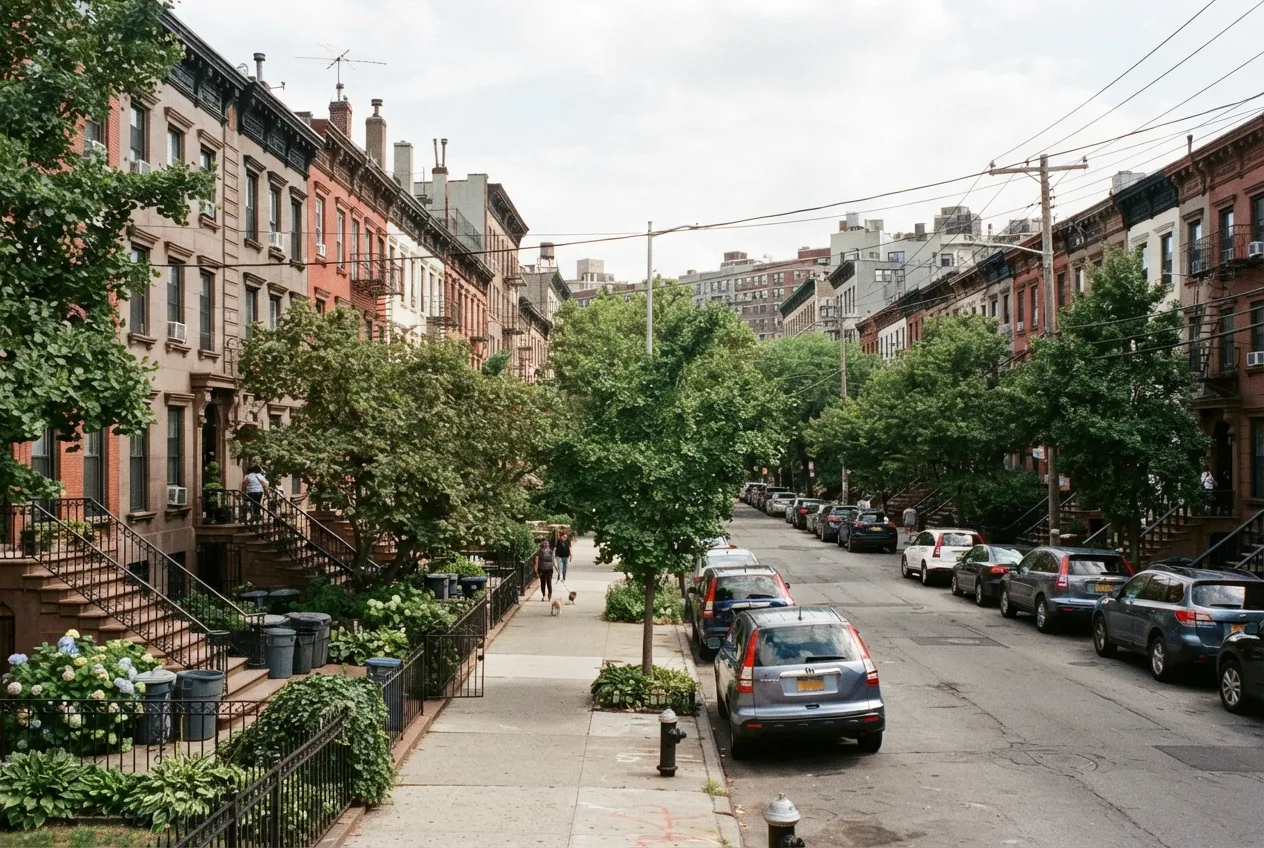
Sunset Park is about 2 miles south of our Brooklyn office, so NorthStar Chimney Services reaches homes in the 11220 and 11232 ZIP codes without a long trip across the borough. Most of the neighborhood is older masonry: brick and brownstone rowhouses, pre-war apartment buildings, and some detached and semi-detached homes. Many of these chimneys have vented more than one kind of fuel over their lifetime, and many have gone years without a close look. Our certified technicians sweep, inspect, and repair chimneys and fireplaces, and they clean dryer vents and air ducts for Sunset Park homeowners and building owners.
What We Find in Sunset Park Chimneys
Older Brooklyn chimneys tend to have the same set of problems. Clay tile or unlined brick flues crack and lose mortar. Crowns at the top of the stack split and let water in. Fireplace dampers rust shut or stop sealing. In rowhouses, a single chimney stack can hold several flues serving different floors or appliances, so a problem in one flue matters to the whole building.
We look at the full system, from the firebox or appliance connection to the cap at the top, and explain what we see in plain terms before any work starts.
- Chimney Sweep to remove soot, creosote, and debris
- Chimney Inspection at the level your situation calls for
- Chimney Repair, including mortar joints and crowns
- Chimney Rebuilding when a stack is too damaged to patch
- Fireplace & Damper Repair for wood-burning fireplaces
How Brooklyn Weather Wears Down Masonry
Sunset Park gets cold winters with repeated freeze-thaw cycles, plus wind-driven rain from coastal storms and humid summers. Water that soaks into brick and mortar expands when it freezes, and over a few seasons that opens cracks, loosens bricks, and breaks down crowns. Moisture that reaches the inside of the flue can rust dampers and stain walls and ceilings near the chimney.
Keeping water out is usually cheaper and less disruptive than repairing the damage it causes. A proper cap keeps rain, birds, and debris out of the flue. A chase cover protects framed chimneys on some detached homes. Chimney Waterproofing with a breathable masonry sealer lets brick shed water while still letting trapped moisture escape.
Inspections, Liners, and Oil-to-Gas Conversions
The NFPA 211 standard calls for chimneys, fireplaces, and vents to be inspected once a year. A Level 1 inspection fits when nothing about the system has changed. A Level 2 inspection is the right choice when you add a new appliance, switch fuels, or buy or sell the home. A Level 3 inspection is used when a hidden hazard can only be reached by opening part of the chimney or building.
Many Sunset Park buildings have converted or are planning to convert their boilers from oil to gas. When a New York City building makes that switch, the chimney has to be evaluated as part of the work. A new liner is often needed, because gas exhaust produces acidic condensate that can corrode a masonry flue from the inside. We handle Chimney Liner Installation sized to the appliance it serves.
Dryer Vents and Air Ducts
According to the U.S. Fire Administration, failure to clean is the leading factor contributing to clothes dryer fires in homes. In rowhouses and apartment buildings, dryer vents often run long distances or through tight turns, and lint builds up where you cannot see it. If loads take longer to dry or the laundry area feels hot, the vent is due for cleaning.
For air ducts, we follow the U.S. EPA's guidance: cleaning makes sense when there is substantial visible mold growth, vermin, or excessive dust and debris. The EPA notes that duct cleaning has not been shown to prevent health problems, and it advises caution with chemical treatments. We will tell you honestly whether your ducts need cleaning.
Scheduling Around Heat Season
New York City's heat season runs from October 1 through May 31, when building owners must keep apartments heated to the city's minimum temperatures. For a building owner, a flue problem in January can mean a heating problem with tenants waiting. Scheduling inspections and repairs in late spring or summer leaves time to fix what we find before the heat has to stay on.
Beyond Sunset Park, we also serve Park Slope, Gowanus, Carroll Gardens, Cobble Hill, and Red Hook.
ZIP codes we serve
- 11220
- 11232