
The short answer
Yes, NorthStar Chimney Services serves South Williamsburg (ZIP 11249) with chimney sweeping, inspection, repair, liner installation, waterproofing, rebuilding, and dryer vent and air duct cleaning. Most homes here benefit from a yearly chimney inspection, ideally before New York City's heat season begins on October 1.
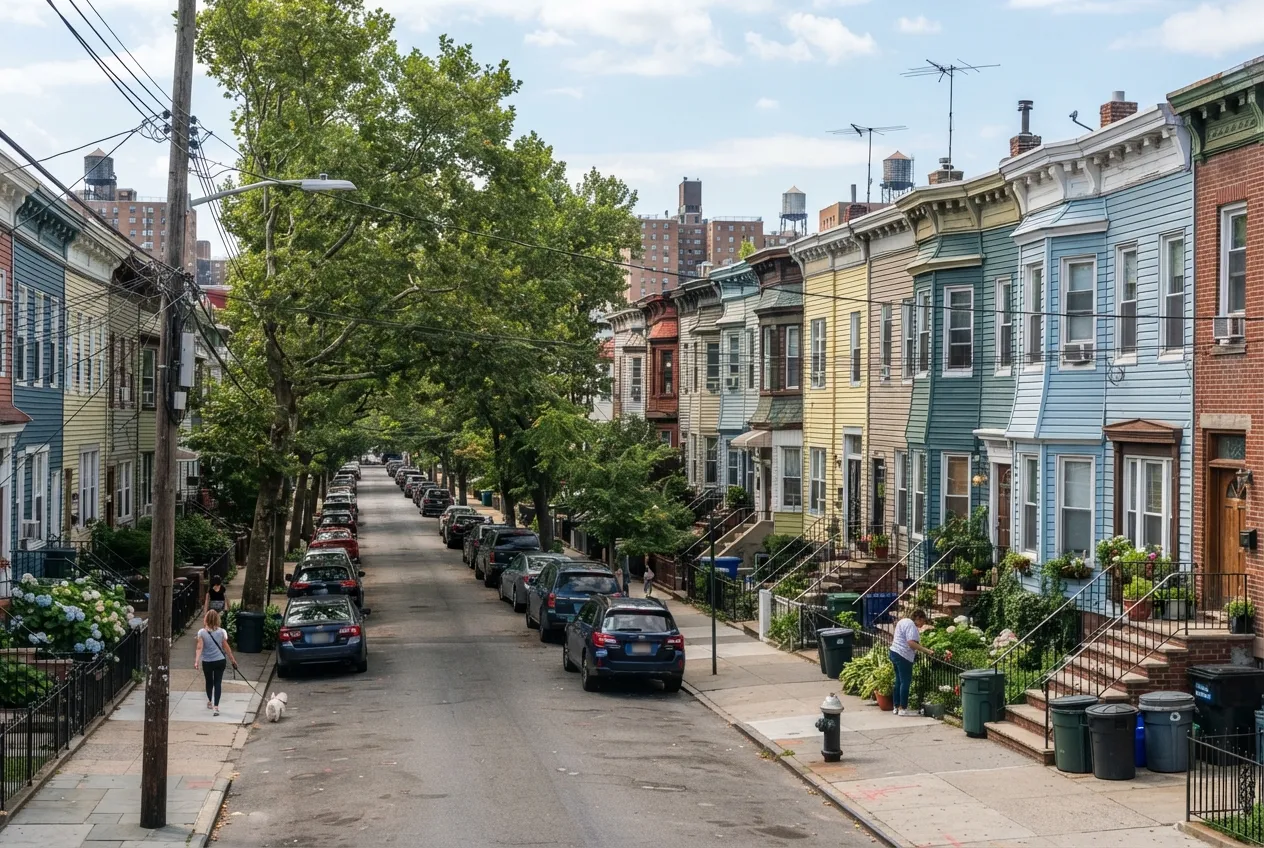
NorthStar Chimney Services works in South Williamsburg, ZIP code 11249, about 3 miles northeast of our Brooklyn office. The neighborhood's housing mixes older rowhouses, pre-war apartment buildings, multifamily walk-ups and newer construction. Each has its own chimney and venting setup, from a decorative fireplace in a rowhouse parlor to a boiler flue that serves an entire building. Our certified technicians clean, inspect and repair chimneys, fireplaces, liners, dryer vents and air ducts throughout the area. We explain what we find in plain terms so you can decide what to do next.
Chimneys and Vents in South Williamsburg Homes
Much of the housing in South Williamsburg is older masonry construction. Rowhouses often have several flues in a single chimney stack. Some of those flues serve fireplaces that have not been used in decades, and others vent a boiler or water heater. Pre-war apartment buildings usually rely on one large flue for the central boiler. Newer buildings tend to have metal venting and long dryer and duct runs.
Because the setups vary so much, we start by identifying what each flue is connected to and whether it is still in use. That tells us whether a sweep, a repair or a liner is the right next step, or whether the chimney simply needs a cap to keep weather and animals out.
How Brooklyn Weather Wears on Chimneys
Brooklyn winters move back and forth across the freezing point. Water that soaks into brick and mortar freezes, expands and slowly breaks the masonry apart. Wind-driven rain from coastal storms reaches mortar joints and crowns that normal rain might miss. Humid summers can pull a musty or smoky smell out of a damp, sooty flue and into the house.
These are the weather-related problems we see most often:
- Cracked chimney crowns and eroded mortar joints that let water into the stack
- Missing or rusted chimney caps that let in rain, debris, birds and squirrels
- Corroded chase covers on framed chimneys, which can leak into the framing below
- Damp, spalling brick that may benefit from a breathable waterproofing treatment
- Rusted or stuck dampers that fail to seal when the fireplace is not in use
Yearly Inspections and Heat Season Timing
The NFPA 211 standard calls for chimneys, fireplaces and vents to be inspected once a year. A Level 1 inspection fits when nothing about the system has changed. A Level 2 inspection applies when something has changed, such as a new appliance or a switch of fuel, and when a home is sold. A Level 3 inspection is needed when a hidden hazard can only be reached by opening part of the chimney or the building.
New York City's heat season runs from October 1 through May 31. During that time, building owners must keep apartments heated to the city's minimum temperatures. If your building's boiler shares a chimney you are responsible for, late summer and early fall are the practical times for inspection, sweeping and repairs. Scheduling then means work is finished before the boiler has to run, rather than squeezed into a cold-weather shutdown.
Oil-to-Gas Conversions and Chimney Liners
When a New York City building converts its boiler from oil to gas, the chimney has to be evaluated as part of the work. A new liner is often needed. Gas exhaust produces acidic condensate, and that condensate can corrode an unlined or poorly lined masonry flue from the inside.
We inspect the existing flue, size the liner to the new appliance and install it. If the masonry itself has deteriorated, we also cover repair or partial rebuilding. Fireplace owners can benefit from a liner too, especially when an older clay liner is cracked or missing sections.
Dryer Vent and Air Duct Cleaning
According to the U.S. Fire Administration, failure to clean is the leading factor contributing to clothes dryer fires in homes. Long or twisting vent runs, which are common in apartments and renovated rowhouses, collect lint faster. Signs of a clogged vent include clothes that take more than one cycle to dry, a hot laundry room and a weak airflow at the outside hood.
For air ducts, we follow the U.S. EPA's guidance. The EPA advises cleaning ducts when there is substantial visible mold growth, vermin, or excessive dust and debris. It also notes that duct cleaning has not been shown to prevent health problems. We look at your ducts first and tell you honestly whether cleaning is warranted. We do not push chemical treatments, and the EPA advises caution with them.
Neighborhoods Near South Williamsburg
In addition to South Williamsburg, we serve nearby Fort Greene, Downtown Brooklyn, DUMBO, Boerum Hill and Prospect Heights. These neighborhoods share much of the same older brick housing and the same Brooklyn weather, so the same care applies to the chimneys and vents there.
ZIP codes we serve
- 11249