
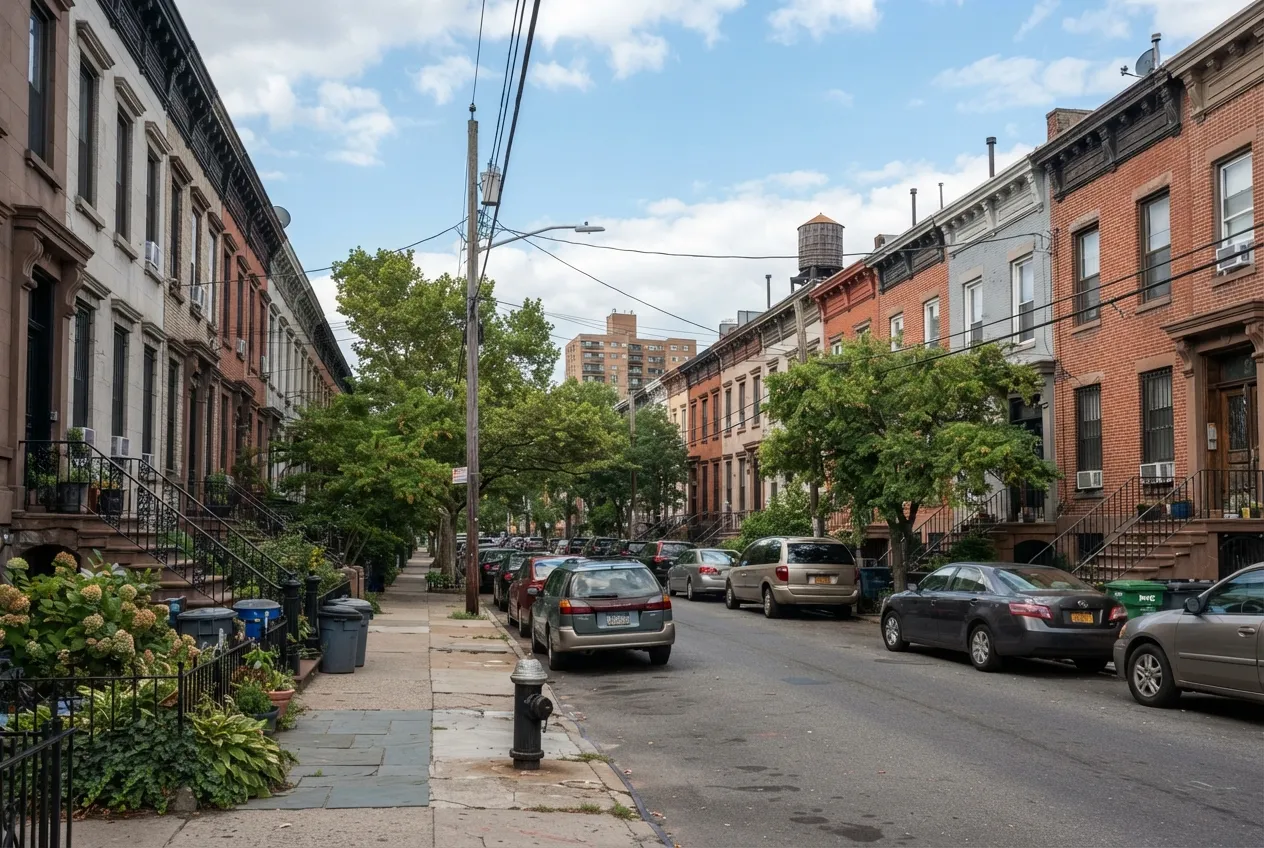
The short answer
Yes, NorthStar Chimney Services works in Little Italy (ZIP 10012), about 3 miles from our Brooklyn office. We inspect, sweep, repair and reline chimneys in the neighborhood's older buildings, and we clean dryer vents and air ducts.
Little Italy is a compact Manhattan neighborhood in ZIP code 10012, about 3 miles north of our Brooklyn office. Much of the housing is older: pre-war apartment buildings, walk-ups with several floors of apartments over street-level shops, and the occasional rowhouse. Many of these buildings still have masonry chimneys venting a boiler, and some apartments have fireplaces that haven't been used in years. NorthStar Chimney Services handles chimney, dryer vent and air duct work for owners, managers and residents throughout the neighborhood.
How Chimneys Work in Little Italy's Older Buildings
In many pre-war and walk-up buildings, the chimney's main job is venting the boiler, not serving a fireplace. When a New York City building converts its boiler from oil to gas, the chimney has to be evaluated as part of the work. A new liner is often needed, because gas exhaust produces acidic condensate that can corrode an old masonry flue from the inside.
Fireplaces in apartments and rowhouses raise different questions. Does the damper open and close? Is the firebox sound? Is the flue clear of debris, nests or old creosote before anyone lights a fire? We check all of this before you use a fireplace that has been sitting idle.
What Manhattan Weather Does to a Chimney
Chimneys here take a beating from the weather. Winters bring repeated freeze-thaw cycles. Water that soaks into brick and mortar expands when it freezes and pushes the joints apart. Nor'easters drive rain into exposed crowns and chase tops, and humid summers keep damp masonry from drying out. Over time this shows up as loose bricks, cracked crowns, flaking brick faces and water stains indoors.
Buildings in the neighborhood sit close together, so a chimney is often hard to see from the street. A problem can go unnoticed until it reaches a ceiling or a neighbor's wall. Watch for these signs:
- Water stains on walls or ceilings near the chimney
- Brick fragments or mortar grit on the roof or in the firebox
- A rusted, damaged or missing chimney cap
- Smoke or odors drifting into the room instead of going up the flue
- A damper that sticks, won't close or won't open
Inspections and When to Schedule Them
The NFPA 211 standard calls for chimneys, fireplaces and vents to be inspected once a year. A Level 1 inspection fits when nothing has changed. A Level 2 inspection is called for when the system changes, such as a new boiler or a switch from oil to gas, or when the property is sold. A Level 3 inspection is used when a hidden hazard can only be reached by opening part of the chimney or building.
Timing matters in the city. New York City's heat season runs from October 1 through May 31, and during that time building owners must keep apartments heated to the city's minimum temperatures. Scheduling inspections and repairs in late spring or summer lets you fix problems before the boiler has to run every day.
Dryer Vents and Air Ducts in Apartment Buildings
Shared laundry rooms and in-unit dryers in older buildings often have long or awkward vent runs that collect lint. According to the U.S. Fire Administration, failure to clean is the leading factor contributing to clothes dryer fires in homes. If loads take longer to dry than they used to, or the laundry area feels hot and humid, the vent probably needs cleaning.
For air ducts, we follow the U.S. EPA's guidance: cleaning makes sense when there is substantial visible mold growth, signs of vermin, or excessive dust and debris. Duct cleaning hasn't been shown to prevent health problems, so we'll tell you plainly whether your system needs it. Be wary of very cheap advertised offers, and ask questions before agreeing to any chemical treatment.
Services We Offer in Little Italy
Our certified technicians handle the full range of chimney and vent work:
- Chimney sweep to remove soot, creosote and blockages
- Chimney inspection at Level 1, 2 or 3
- Chimney repair for mortar joints, bricks and crowns
- Chimney liner installation, including liners for oil-to-gas conversions
- Chimney cap and chase cover installation and replacement
- Chimney waterproofing to slow freeze-thaw damage
- Fireplace and damper repair
- Chimney rebuilding when masonry is too far gone to patch
- Dryer vent cleaning
- Air duct cleaning
Nearby Areas We Serve
Besides Little Italy, we also work in the Financial District, Brooklyn Heights, Downtown Brooklyn, DUMBO and Boerum Hill.
ZIP codes we serve
- 10012