
The short answer
Yes, NorthStar Chimney Services works in Hudson Square, Manhattan (ZIP 10012), about 3 miles from our Brooklyn office. We handle chimney sweeping, inspections, repairs, liners, waterproofing, rebuilding, and air duct and dryer vent cleaning for the neighborhood's older rowhouses and pre-war buildings.
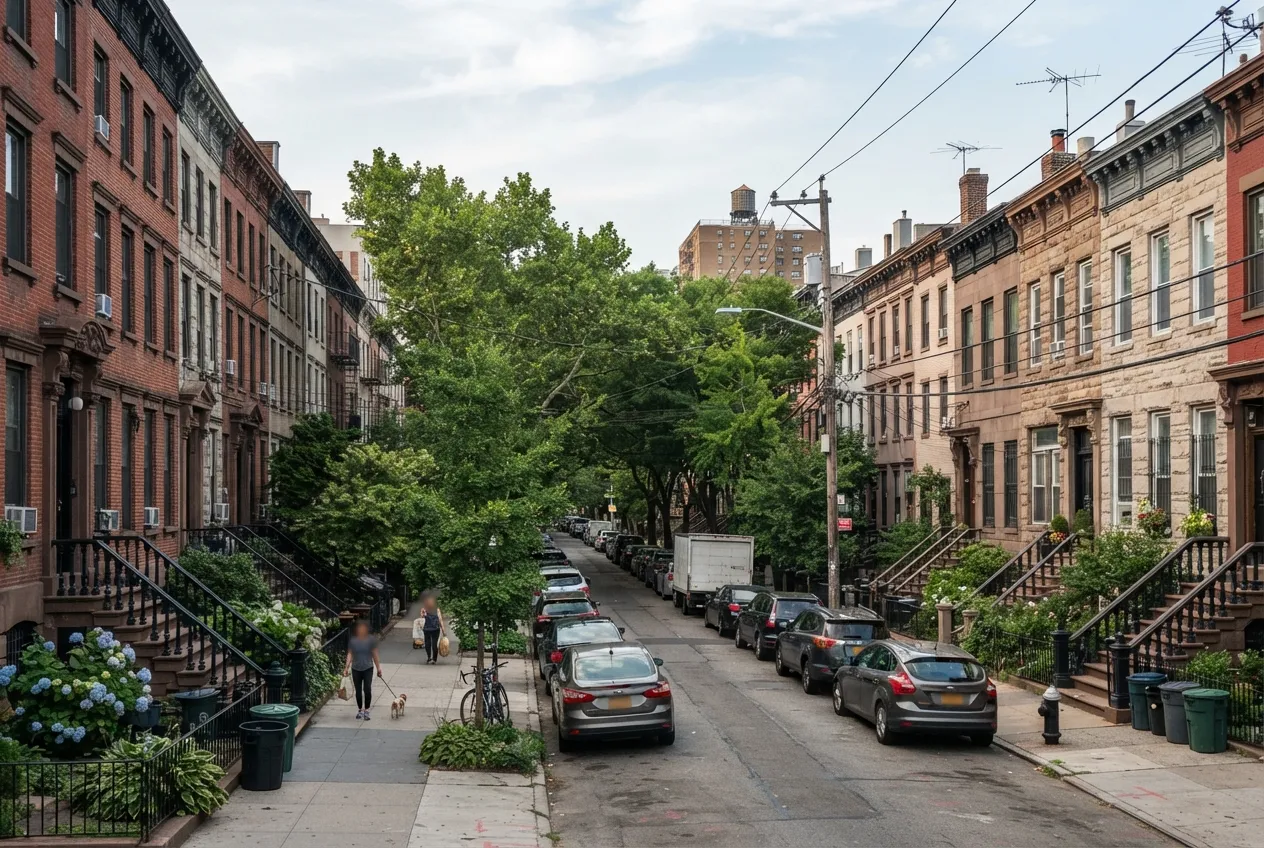
Hudson Square is on Manhattan's West Side, about 3 miles north of our Brooklyn office, and our certified technicians make the trip regularly. Housing here includes older rowhouses, pre-war apartment buildings and larger masonry buildings that have been converted over the years. Many have brick chimneys, shared flues, long duct runs and dryer vents that exit through tight spaces. We sweep, inspect, repair, reline, waterproof and rebuild chimneys, install caps and chase covers, fix fireplaces and dampers, and clean air ducts and dryer vents for homeowners and building owners in ZIP code 10012.
What We Find in Hudson Square Homes
Most chimneys in the neighborhood are older masonry. Brick that has been in service for generations often has worn mortar joints, cracked crowns, or clay tile liners that have shifted, cracked or gone missing in places. Lower Manhattan's dense blocks also mean chimneys often sit close to taller neighboring walls, which can affect draft and make a fireplace smoke.
In pre-war apartment buildings, one chimney may serve the boiler while old fireplace flues sit unused or sealed. In buildings that have been converted, flues and ductwork have often been changed more than once. We start by finding out what each flue actually serves and what condition it is in. Then we recommend any work.
How New York Weather Wears Down a Chimney
Winters in New York City bring repeated freeze-thaw cycles. Water that soaks into brick and mortar freezes, expands and slowly pushes the masonry apart. Spring and fall storms, including nor'easters, drive rain sideways into crowns and open flues. Humid summers can leave a damp, musty smell near the fireplace. Over a few seasons, small cracks become loose bricks, and leaks show up as stained ceilings or flaking plaster next to the chimney.
- Chimney caps and chase covers keep rain, snow, birds and debris out of the flue.
- Breathable waterproofing helps brick shed water while letting trapped moisture escape.
- Crown and mortar repairs close the gaps where water gets in, before freeze-thaw damage spreads.
- Damper repair stops cold drafts and moisture when the fireplace is not in use.
- Partial or full chimney rebuilding is an option when masonry is too far gone to patch.
Inspections and Heat Season Planning
The NFPA 211 standard calls for chimneys, fireplaces and vents to be inspected once a year. A Level 1 inspection fits when nothing has changed. A Level 2 inspection applies when you add or replace an appliance, switch fuels, or buy or sell the property. A Level 3 inspection is needed only when a suspected hazard is hidden and part of the chimney or building has to be opened to reach it.
New York City's heat season runs from October 1 through May 31, and building owners must keep apartments heated to the city's minimums during that time. A boiler flue problem found in January is harder to deal with than one found in August. We suggest scheduling inspections and sweeps in late summer or early fall, so any repairs are finished before the heat has to stay on.
Oil-to-Gas Conversions and Chimney Liners
When a New York City building converts its boiler from oil to gas, the chimney has to be evaluated as part of the job. A new liner is often needed. Gas exhaust produces acidic condensate, and over time it can eat away at an unlined or poorly lined masonry flue.
We inspect the existing flue and install a liner sized for the new appliance. We also check that the cap, crown and clean-out are in working order. The same approach applies when a cracked clay liner makes a fireplace flue unsafe to use.
Air Duct and Dryer Vent Cleaning
According to the U.S. Fire Administration, failure to clean is the leading factor contributing to clothes dryer fires in homes. In older buildings, dryer vents often run long and bend several times on the way out, so lint builds up quickly. We clean the full run and check that the exterior flap opens freely.
For air ducts, we follow the EPA's guidance. Cleaning makes sense when there is substantial visible mold growth, signs of vermin, or excessive dust and debris. Duct cleaning has not been shown to prevent health problems. We tell you plainly what we see, and we do not push chemical treatments.
- Clothes take longer than one cycle to dry
- The dryer or laundry room feels unusually hot
- Dust blows out of supply registers
- You see visible mold or droppings inside the ducts
Nearby Areas We Serve
Along with Hudson Square, our crews work in the Financial District, Brooklyn Heights, Downtown Brooklyn, DUMBO and Boerum Hill. Many of these neighborhoods have similar older masonry housing and the same weather exposure.
ZIP codes we serve
- 10012