
The short answer
Yes, NorthStar serves Crown Heights (ZIP 11213), about three miles east of our Brooklyn office. We handle chimney sweeps, inspections, repairs, liners and rebuilding, plus dryer vent and air duct cleaning, and we recommend booking before heat season starts on October 1.
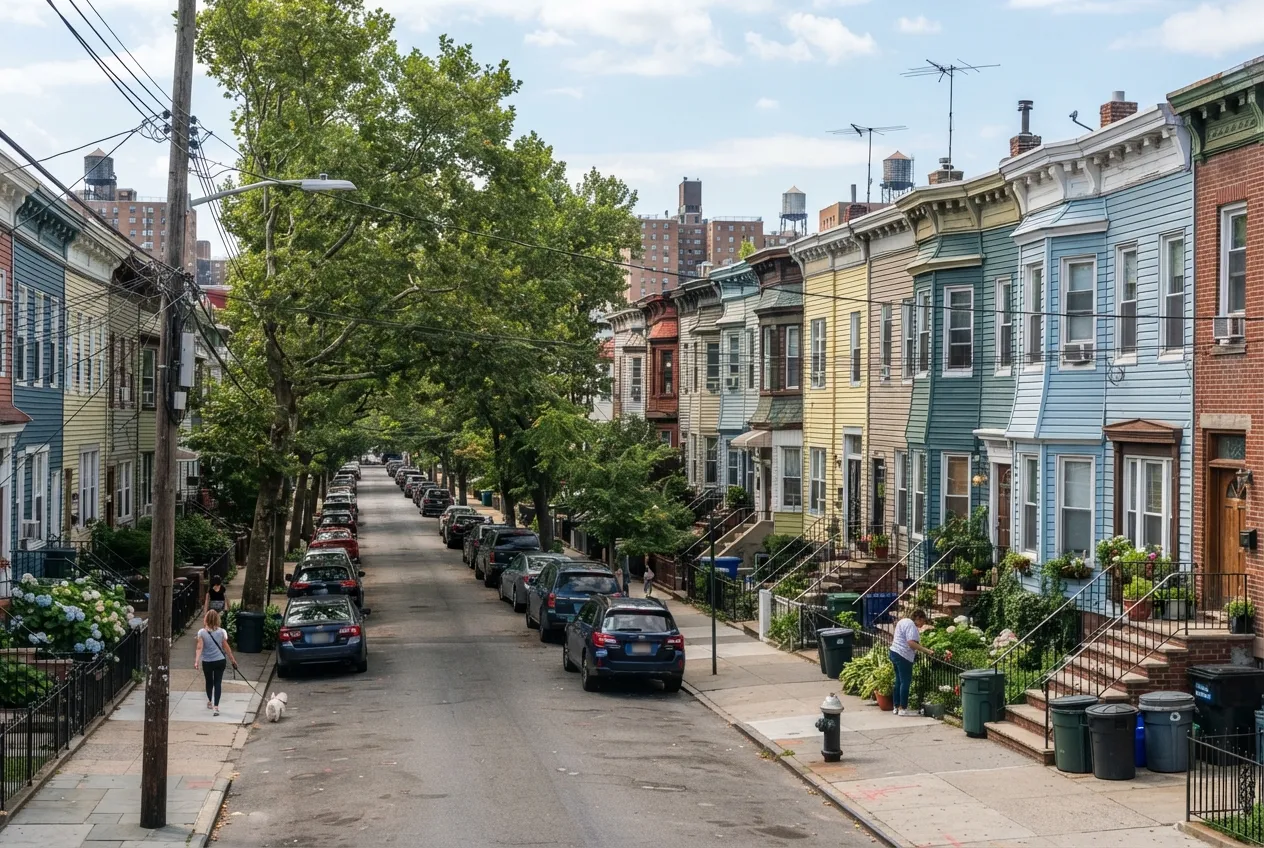
Crown Heights sits about three miles east of our Brooklyn office, close enough that our crews know the trip well and can plan their day around it. The neighborhood's mix of brownstones, brick rowhouses, pre-war apartment buildings and the occasional detached home means no two chimneys we open here look quite alike. This page explains how we approach work in ZIP code 11213: what tends to go wrong, when to call, and which of our services fits the problem you actually have.
Plan Around Heat Season, Not the First Cold Night
In New York City, heat season runs from October 1 through May 31, and building owners must keep apartments at the city's minimum temperatures during that stretch. For a Crown Heights landlord with a boiler, that means the chimney serving it has to be ready before October, not halfway through a cold snap. For a homeowner with a wood-burning fireplace, the first fire of the year is usually also the first test of a flue that sat idle all summer.
Our suggestion is simple: book a chimney sweep and inspection in late summer or early fall. The NFPA 211 standard calls for chimneys, fireplaces and vents to be inspected once a year, and doing it before daily use begins leaves time to schedule any repairs without pressure.
Picking the Right Inspection Level
Not every chimney inspection is the same. Chimney professionals work at three levels, and the right one depends on what has happened since the last check:
Many Crown Heights buyers ask for a Level 2 during a sale. An older rowhouse can have several flues, some unused for a long time, and it's worth knowing their condition before closing.
- Level 1: nothing about the system has changed, and you want the yearly check the standard calls for.
- Level 2: you've added a new appliance, switched fuels, or you're buying or selling the house.
- Level 3: a hidden problem has to be reached by opening part of the chimney or the building.
What Brooklyn Winters Do to Older Brick
Brooklyn winters rarely stay frozen. Temperatures swing above and below freezing, and water that soaks into brick and mortar expands as it freezes, loosening joints a little more each cycle. Add summer downpours and wind-driven rain, and the top of a chimney takes more punishment than almost any other part of a house.
On older masonry we look first at the crown, the mortar joints near the roofline, and whether anything is keeping rain and animals out. Common fixes include:
Inside the house, fireplace and damper repair takes care of rusted or stuck dampers that let warm air escape all winter.
- Chimney cap and chase cover installation to stop water and nesting birds at the top
- Chimney waterproofing with a breathable sealer so the brick can still dry out
- Chimney repair for cracked crowns and open mortar joints
- Chimney rebuilding when the stack above the roof has deteriorated too far to patch
Converting a Boiler From Oil to Gas
Some Crown Heights apartment buildings and multi-family houses still run, or recently ran, oil-fired boilers. When a New York City building converts its boiler from oil to gas, the chimney has to be evaluated as part of the job. A new liner is often needed, because gas exhaust produces acidic condensate that can corrode an unlined masonry flue. We inspect the flue, check that it suits the new appliance, and handle chimney liner installation so the conversion isn't held up waiting on the chimney.
Dryer Vents and Ductwork You Can't See
Rowhouses and apartments often route dryer vents through long or bent runs to reach an outside wall. According to the U.S. Fire Administration, failure to clean is the leading factor contributing to clothes dryer fires in homes. If loads take longer to dry or the laundry area runs hot, dryer vent cleaning is worth scheduling soon.
Air duct cleaning is a different decision. The U.S. EPA advises cleaning ducts when there is substantial visible mold, signs of vermin, or excessive dust and debris, and it notes that duct cleaning hasn't been shown to prevent health problems. We'll tell you plainly whether your ducts meet that bar, and we're cautious about chemical treatments. The EPA also suggests researching the process before responding to very cheap advertised offers, which is sound advice for any home service.
Crown Heights and the Neighborhoods Around It
The same short routes that bring us to Crown Heights also take us into Prospect Heights, Park Slope, Fort Greene, Downtown Brooklyn and DUMBO. If you own property in more than one of these neighborhoods, we can often line up visits on the same day. Every job is handled by certified technicians who explain what they found before recommending any work.
ZIP codes we serve
- 11213